
Connect with us

Blog

01438989233: Who Called Me and How to Handle an Unknown Number?

Published

on

01438989233

Receiving an unexpected call from 01438989233 can naturally make you curious about who was trying to contact you and whether the call was important, legitimate, or potentially unwanted. When a number is unfamiliar, many people immediately search for it online because they want to find out whether other people have reported receiving calls from the same number. However, searching for a phone number does not automatically establish the identity of the caller, and a number appearing in an online directory or discussion does not necessarily prove that the associated information is accurate. There can be many reasons why someone receives a call from an unfamiliar number, including a legitimate business contacting a customer, a service provider returning a call, an individual using a number the recipient does not recognise, automated marketing, or an unwanted caller. Therefore, when researching 01438989233, it is better to focus on verifiable information and sensible call-handling practices rather than assuming that the number is genuine or fraudulent without evidence.

What Does 01438989233 Mean?

The number 01438989233 is an 11-digit telephone number beginning with the 01438 area code format used in the UK. An area code can provide geographical information about a telephone number, but it does not by itself prove exactly who made a particular call. Modern telecommunications systems also mean that the apparent number displayed on a recipient’s phone should not always be treated as definitive proof of the caller’s identity. For that reason, someone searching for 01438989233 phone number information should distinguish between the number displayed on their screen and independently verified information about the organisation or person supposedly associated with it. If you received a call but no meaningful voicemail or message was left, there may not be enough information to determine the caller’s identity from the number alone. A responsible phone-number article should therefore avoid presenting speculation as fact and instead explain how readers can investigate the call safely.

Why Are People Searching for 01438989233?

People generally search for an unfamiliar number because they want an answer to a simple question: who called me? An unexpected missed call can be particularly confusing when the caller does not leave a voicemail, send a text message, or provide a clear reason for contacting you. Searching 01438989233 can help a person discover whether the number has been discussed publicly, whether other recipients have reported similar experiences, or whether it appears in a legitimate business directory. Nevertheless, search results should be interpreted carefully. Online comments can be outdated, incomplete, duplicated, or based on assumptions made by other users. A single negative report does not necessarily establish that a number is fraudulent, just as a single positive report does not guarantee that every future call from the number will be legitimate. The most useful approach is to combine publicly available information with the circumstances of the call and any message or communication received.

Is 01438989233 a Scam Number?

It is important not to automatically label 01438989233 as a scam number without reliable evidence. A phone number alone is insufficient to establish the intentions of a caller, and displaying a familiar-looking geographical number does not guarantee that the caller is genuine either. If someone calling from an unfamiliar number asks for passwords, banking details, security codes, card information, or other sensitive personal information, you should be cautious regardless of what number appears on your screen. Similarly, pressure tactics, threats, unusually urgent demands, requests for payment, or instructions to move a conversation to an unfamiliar website or application can be warning signs that deserve additional scrutiny. If you believe a call may be suspicious, the safest response is generally to end the call and independently contact the claimed organisation using contact details obtained from its official website, statement, card, or other trusted source rather than relying on information supplied by the caller.

How to Check an Unknown Phone Number

If you are trying to perform a phone number lookup for 01438989233, start with the information already available to you. Check whether the caller left a voicemail, sent a text message, or contacted you previously through a channel you recognise. You can also search the complete number using reputable search engines and established caller-reporting services to see whether there are consistent public reports. When reviewing those reports, pay attention to dates, descriptions of what the caller said, and whether multiple independent users describe the same behaviour. You should be particularly careful with websites that make definite claims about a person or organisation without providing credible supporting evidence. If the caller claims to represent a bank, government body, delivery company, utility provider, insurer, retailer, or another organisation, do not rely solely on the incoming number for verification. Instead, locate the organisation’s official contact details independently and ask whether it actually attempted to contact you.

Should You Call 01438989233 Back?

Whether you should call 01438989233 back depends on the circumstances. If the caller left a clear voicemail explaining who they are and why they called, you may be able to verify the information before deciding whether a response is appropriate. If there was no voicemail, no message, and no context explaining the call, there is usually little reason to rush into returning it. A missed call can sometimes be legitimate, but an unknown number can also be associated with marketing, automated calling, mistaken numbers, or other unwanted communications. If you believe the caller may be connected to an important matter, look for independent evidence first. For example, if you recently contacted a company and expect a response, check your previous correspondence for its published telephone number and compare the details rather than assuming the incoming number is authentic. This simple habit can reduce the risk of accidentally disclosing information to an unknown caller.

What Information Should You Never Give an Unknown Caller?

When dealing with 01438989233 or any other unfamiliar number, avoid sharing sensitive information until you have independently established who you are communicating with. Passwords, online-banking credentials, payment-card security information, authentication codes, and other account-security details should not be disclosed simply because someone on the phone claims to represent a trusted organisation. Be particularly cautious if a caller asks you to install software, grant remote access to your computer or phone, transfer money, purchase gift cards, reveal a one-time verification code, or follow an unexpected link. Legitimate organisations can generally be contacted through independently verified channels if you have doubts. Taking a few extra minutes to verify an identity is much safer than allowing an unknown caller to create a sense of urgency that causes you to make a decision before checking the facts.

What Should You Do If 01438989233 Keeps Calling?

Repeated calls from 01438989233 can become frustrating, especially when the caller does not leave a useful message. If you do not recognise the number and have no reason to expect contact, you can consider allowing future calls to go unanswered while you investigate the number. Most modern smartphones also provide options to block or silence individual numbers, although the exact procedure differs between devices and operating systems. If the calls appear to be marketing communications, you can explore the relevant privacy and telephone-preference services available in your country. If the caller makes threats, attempts to obtain sensitive information, or appears to be impersonating a trusted organisation, keep records of the calls and messages and report the matter through the appropriate official channel. Do not engage in prolonged arguments with suspicious callers, and do not provide additional information simply because they continue calling.

Why You Should Be Careful With Online Number Reports

Online caller check websites can be useful because they sometimes collect experiences from many people who received calls from the same number. However, these sites should be treated as sources of clues rather than definitive proof. User-submitted reports can contain mistakes, and telephone numbers can change owners or be used in different circumstances over time. A number may also be associated with a legitimate organisation while an unrelated caller attempts to make the displayed number appear trustworthy. Consequently, when researching 01438989233, look for patterns rather than relying on one isolated comment. Consider when the report was published, what happened during the call, whether the caller identified themselves, and whether the description can be independently verified. This approach provides a more balanced way to assess an unknown number without unfairly accusing a legitimate person or organisation.

How to Protect Yourself From Suspicious Calls

The best defence against unwanted or fraudulent calls is a combination of caution and independent verification. Avoid answering unexpected requests for sensitive information, especially when the caller creates urgency or tries to discourage you from checking their identity. If someone says they are calling from your bank or another important organisation, end the conversation if necessary and contact that organisation using a trusted telephone number obtained independently. Keep your phone’s operating system and security features updated, use strong and unique passwords for important accounts, and enable additional security protections such as multi-factor authentication where available. You can also use your phone’s built-in blocking and spam-filtering features to reduce unwanted calls. Most importantly, remember that a caller ID should be considered an identification clue, not conclusive proof of identity. Taking a moment to verify an unexpected caller can prevent many avoidable problems.

What to Do After Receiving a Suspicious Call

If you believe a call from 01438989233 or another number was suspicious, first avoid providing any further information to the caller. Write down what happened while the details are still fresh, including the approximate time of the call, what the caller claimed to represent, what they requested, and whether they provided any callback details. Save relevant text messages or voicemails rather than deleting them immediately. If the caller claimed to represent a company or institution, contact that organisation through an independently sourced official channel and ask whether the communication was genuine. If you believe you may have disclosed sensitive financial or account information, take appropriate protective action promptly, such as contacting the relevant financial institution or changing affected account credentials. Reporting suspicious activity through appropriate official channels can also help create a record and potentially protect other people from similar attempts.

Final Thoughts on 01438989233

Searching for 01438989233 is a sensible first step if you have received an unexpected call and want more information, but an online search should not be treated as definitive proof of who was behind the call. The most reliable approach is to consider the context, examine any voicemail or written communication, compare the number with trusted contact information, and independently verify claims made by the caller. If you have no reason to recognise the number and the caller provides no useful explanation, there is no need to respond immediately. If the caller requests confidential information, payment, security codes, remote access, or another unusual action, exercise particular caution and verify the request independently. By treating an unknown caller carefully rather than assuming either that the number is legitimate or that it is automatically fraudulent, you can make a more informed decision while protecting your personal information.

Conclusion

The search for 01438989233 reflects a common concern: people want to know who is behind an unfamiliar phone call and whether they should respond. Because a telephone number alone cannot reliably establish the identity or intentions of a caller, it is important to avoid unsupported claims and focus on practical verification. Check available messages, search reputable sources, consider reports from other recipients, and independently contact any organisation the caller claims to represent. Most importantly, never allow an unexpected caller to pressure you into sharing confidential information or making an urgent payment. Whether the call turns out to be legitimate, unwanted, or suspicious, careful verification is the most reliable way to handle an unfamiliar number.

Frequently Asked Questions

1. Who called me from 01438989233?

An unfamiliar call from 01438989233 does not, by itself, provide enough reliable information to establish the caller’s identity. Check any voicemail or message and research the number using reputable sources before deciding whether to respond.

2. Is 01438989233 a scam?

There is not enough information from the number alone to state that 01438989233 is a scam. Look at the caller’s behaviour and independently verify any claims before sharing information or making payments.

3. Should I call 01438989233 back?

You do not need to return an unfamiliar call immediately. If the caller left a legitimate-sounding message, verify the details first. If there is no explanation for the call, you can investigate the number before deciding whether to respond.

4. How can I check 01438989233?

Search the complete number on reputable search engines and caller-reporting services, review any available voicemail or messages, and look for consistent reports rather than relying on one online comment.

5. What should I do if 01438989233 keeps calling?

If repeated calls are unwanted, you can use your phone’s blocking or call-filtering features. If the caller appears suspicious or attempts to obtain sensitive information, keep records and consider reporting the activity through an appropriate official channel.

6. Can a phone number prove who is calling?

No. Caller ID provides useful information, but it should not be considered absolute proof of identity. When a caller claims to represent an organisation, verify that claim using independently obtained contact information.

7. What information should I avoid giving an unknown caller?

Do not casually provide passwords, authentication codes, banking credentials, card security information, or other sensitive personal details to an unexpected caller. Verify the caller’s identity first.

8. What is the safest way to handle an unknown caller?

Stay calm, avoid sharing sensitive information, do not rush into payments or other requested actions, and independently verify the caller’s identity before taking further steps.
Continue Reading

Blog

Panthro: The Powerful ThunderCats Warrior, Inventor, and Engineer

Published

on

Panthro

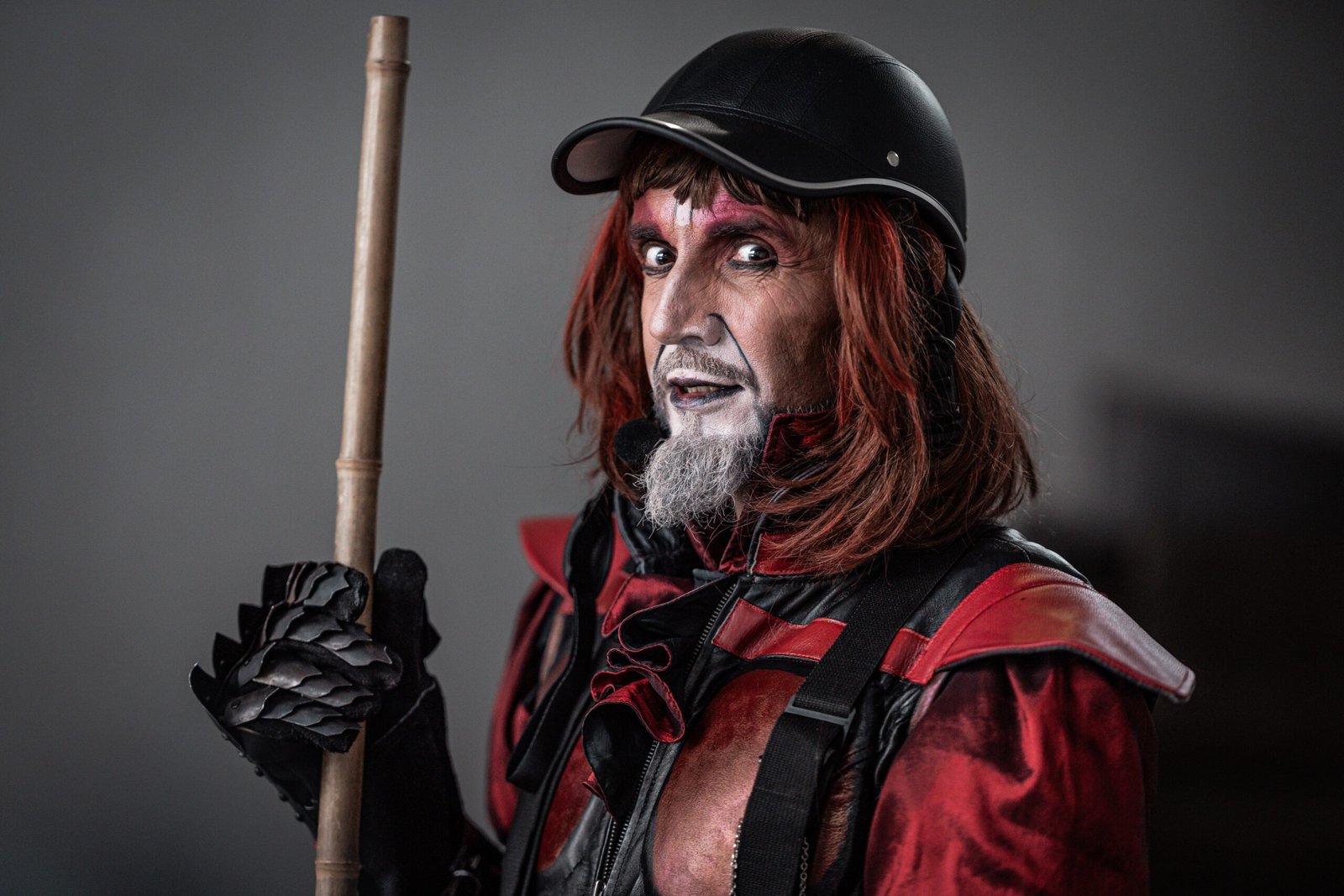
Panthro is one of the most recognizable and distinctive characters in the ThunderCats universe, combining immense physical strength with technical intelligence, mechanical skill, courage, and loyalty. While many fictional warriors are defined primarily by their fighting abilities, Panthro stands out because he is equally valuable as an engineer, inventor, mechanic, and builder. His knowledge allows the ThunderCats to operate advanced vehicles, develop useful technology, maintain equipment, and overcome challenges that cannot be solved through strength alone. His imposing appearance and serious personality can initially make him seem like a traditional powerhouse character, but his intelligence and practical approach reveal a much more complex hero.

As a member of the ThunderCats, Panthro plays an important role in protecting his fellow heroes and opposing the forces that threaten them. His combination of physical power and technological expertise makes him an essential member of the team. His famous nunchaku, mechanical knowledge, and connection to ThunderTank technology have helped make him a memorable part of the franchise across its various adaptations. For longtime fans and newcomers alike, understanding Panthro means looking beyond his muscles and weapons and recognizing how his engineering ability, experience, discipline, and loyalty contribute to the ThunderCats’ success.

Who Is Panthro?

Panthro is a powerful warrior and highly skilled engineer associated with the ThunderCats. He is generally portrayed as one of the team’s strongest physical fighters, but his importance extends far beyond combat. Panthro possesses an exceptional understanding of machinery and technology, making him the character who can often be relied upon when a vehicle, weapon, or mechanical system needs to be constructed, repaired, modified, or operated.

His role gives the ThunderCats a valuable combination of strength and technical expertise. A team fighting dangerous enemies needs warriors capable of confronting opponents directly, but it also needs people who can understand machines, transportation, weapons, and other technology. Panthro fills that role naturally. His engineering abilities are not simply an occasional character trait; they are a major part of what makes him different from the other members of the team.

Panthro’s personality also contributes significantly to his appeal. He is generally serious, confident, practical, and courageous. He does not need to be the loudest member of the group to establish his importance. Instead, his actions frequently demonstrate his commitment to his companions. His toughness is balanced by loyalty and a willingness to protect those around him, creating a character who feels dependable when the ThunderCats face difficult situations.

Panthro’s Role in the ThunderCats

Within the ThunderCats team, Panthro serves as both a warrior and a technical expert. His strength makes him particularly effective during physical confrontations, while his mechanical knowledge allows him to contribute in situations where fighting alone would not solve the problem. This dual purpose makes him one of the most practically useful members of the group.

His engineering background is particularly important because the ThunderCats rely on sophisticated equipment and vehicles. Panthro is closely associated with the ThunderTank, one of the franchise’s most recognizable machines. His understanding of mechanical systems allows him to work with technology that other characters may not be able to manage as effectively. This relationship between character and machine is an important part of his identity.

Panthro also represents a particular type of heroism. He is not defined only by mystical powers or extraordinary weapons. Instead, he demonstrates that knowledge, craftsmanship, physical training, and experience can be just as valuable as supernatural abilities. This makes him a useful example of a character whose contribution comes from multiple forms of expertise.

Panthro’s Powers and Abilities

When people search for Panthro powers, they are often expecting a list of supernatural abilities. However, one of the interesting things about Panthro is that much of his effectiveness comes from his natural physical abilities, training, intelligence, and specialized skills. He is exceptionally strong and physically powerful, making him one of the most formidable fighters among the ThunderCats.

His strength allows him to handle heavy equipment, engage powerful opponents, and perform feats that ordinary characters would struggle to accomplish. His physical conditioning is complemented by considerable fighting ability. Panthro is not simply strong; he understands how to use that strength effectively in battle. His experience and confidence make him dangerous at close range, especially when he has access to his signature weapons.

Another major ability is his technical intelligence. Panthro’s engineering skills make him capable of understanding complicated machinery and developing practical solutions to technological problems. This aspect of his character is especially important because it distinguishes him from characters who rely almost entirely on physical force. Panthro can solve problems with his hands and his mind.

Panthro’s Famous Weapons

One of the most recognizable elements associated with Panthro is his pair of nunchaku. These weapons fit his fighting style particularly well, allowing him to combine strength, speed, reach, and coordination during combat. The nunchaku also contribute strongly to his visual identity, making him immediately recognizable to fans of ThunderCats.

Panthro’s weapons are more than simple accessories. They reflect his character as a skilled warrior who has developed considerable control and discipline. Using a weapon such as nunchaku effectively requires coordination, timing, and practice. In the fictional world of ThunderCats, Panthro is presented as someone capable of using them with impressive skill.

Depending on the particular ThunderCats adaptation being discussed, equipment and character details can differ. This is worth remembering when comparing the original animated series with later interpretations. Nevertheless, Panthro’s association with powerful mechanical equipment and his distinctive weapons remains central to his identity throughout the franchise.

Panthro and the ThunderTank

The ThunderTank is one of the most important pieces of technology associated with Panthro. The vehicle represents his engineering abilities and his practical importance to the ThunderCats. Rather than simply being a passenger, Panthro’s mechanical expertise makes him particularly well suited to understanding and operating advanced machinery.

The ThunderTank itself has become one of the most recognizable vehicles connected with the franchise. It provides transportation, protection, and offensive capabilities, while also reinforcing the futuristic technological side of the ThunderCats setting. Panthro’s connection to the vehicle helps establish him as the team’s mechanic and engineer.

This relationship also creates an interesting contrast within the character. Panthro is physically capable of fighting enemies directly, yet he is equally comfortable working with machines. He can therefore contribute before, during, and after a battle. Whether the challenge requires physical force or technical problem-solving, he has something valuable to offer.

Panthro’s Personality

Panthro’s personality is one of the reasons he has remained memorable to ThunderCats fans. He is typically portrayed as serious, confident, strong-willed, and practical. He often approaches situations differently from more impulsive characters, preferring to rely on experience and capability.

His seriousness does not mean that he lacks personality or warmth. His loyalty toward his teammates is an important part of his characterization. He is willing to put himself in danger to help the ThunderCats, and his physical strength often places him in a position where he can protect others. His confidence can sometimes make him appear intimidating, but beneath that exterior is a dependable member of the team.

Panthro also demonstrates an important relationship between intelligence and physical strength. Popular fictional characters are sometimes divided into categories such as the fighter and the intellectual. Panthro challenges that division because he is both. He can build and repair machinery while also serving as one of the team’s strongest combatants.

Why Panthro Is an Important ThunderCats Character

Panthro’s importance comes from the fact that he fills several roles simultaneously. He is a warrior, engineer, inventor, mechanic, and trusted teammate. Removing any one of those characteristics would change the balance of the ThunderCats team.

His physical strength provides an advantage during battles, while his technical knowledge provides solutions to mechanical and technological problems. His courage helps him confront dangerous enemies, and his loyalty makes him someone the other ThunderCats can depend on. Together, these qualities make him much more than a supporting fighter.

Another reason Panthro is important is that he represents practical expertise. Fictional heroes do not always need magical abilities to be extraordinary. Panthro demonstrates how engineering knowledge and technical creativity can be heroic qualities. His ability to build, repair, operate, and understand technology makes him essential to the team’s survival and success.

Panthro’s Legacy Among Fans

Over the years, Panthro has developed a strong following among ThunderCats fans. His distinctive appearance, powerful build, serious personality, and mechanical expertise make him one of the easiest characters in the franchise to identify. He also appeals to viewers who enjoy characters combining physical action with technical intelligence.

The character’s lasting appeal is partly connected to the broader popularity of ThunderCats. As the franchise has been reinterpreted for different audiences and generations, familiar characters have been presented in different ways. Panthro’s fundamental role, however, remains recognizable: he is the powerful and technically gifted member of the team who can be counted on when circumstances become difficult.

His legacy also comes from the way he broadens the idea of what a warrior can be. Panthro does not have to choose between being strong and being intelligent. He demonstrates both qualities, making him an especially useful member of a team where different forms of expertise are needed.

What Makes Panthro Different From Other ThunderCats?

Panthro differs from many other ThunderCats because of the balance between his physical abilities and technological expertise. Some heroes may specialize more heavily in leadership, speed, combat, or other abilities, whereas Panthro is particularly associated with strength and engineering.

His relationship with machinery is one of his clearest distinguishing characteristics. He understands technology on a level that makes him invaluable to the team, and his connection to the ThunderTank reinforces this identity. At the same time, he is fully capable of standing alongside other ThunderCats in direct combat.

This combination gives Panthro a unique place within the group. He is not simply the team’s strongest fighter and not simply its mechanic. He occupies both positions, which makes his contribution difficult to replace.

Panthro in Different ThunderCats Adaptations

One important point for anyone researching Panthro from ThunderCats is that the character has appeared in different versions of the franchise. Adaptations can change character designs, storytelling approaches, personalities, relationships, and details surrounding abilities and technology. Consequently, descriptions of Panthro may differ depending on which series or interpretation is being discussed.

The original animated ThunderCats series established many of the characteristics that fans associate with him, including his strength, engineering expertise, weapons, and role within the team. Later versions have reinterpreted the characters for new audiences while retaining recognizable elements of their identities.

For this reason, readers should distinguish between general Panthro characteristics and details specific to one adaptation. A claim about a particular weapon, event, design, or personality trait may apply to one version without necessarily describing every incarnation of the character.

Why Panthro Remains Popular

Panthro remains popular because he offers a compelling combination of traits. He is physically imposing without being defined entirely by brute force. He is technically brilliant without being portrayed as physically weak. He is serious without being emotionless, and he is confident without losing his sense of loyalty to his team.

These characteristics make him relatable in an unusual way. Fans can appreciate his combat abilities, but they can also appreciate his engineering and problem-solving skills. The character demonstrates that strength and intelligence can work together rather than being opposites.

His recognizable design and association with the ThunderTank and nunchaku further strengthen his identity. Even people who may not remember every detail of the ThunderCats storyline can often recognize Panthro because of his distinctive visual and functional role within the team.

Conclusion

Panthro is much more than a strong warrior in the ThunderCats universe. His importance comes from the combination of physical strength, combat ability, engineering intelligence, mechanical expertise, courage, and loyalty. His connection to the ThunderTank and his use of distinctive weapons have helped establish him as one of the franchise’s most recognizable characters, while his practical approach to problems makes him an essential member of the ThunderCats team.

What makes Panthro particularly memorable is the balance between his different qualities. He can fight when necessary, but he can also build, repair, invent, and solve technological problems. That combination gives him a unique identity and helps explain why the character has remained popular through different generations and adaptations of ThunderCats. For anyone searching for information about Panthro, his powers, weapons, personality, engineering skills, or role in ThunderCats, his story provides a strong example of how a fictional hero can combine physical power with intelligence and practical expertise.

Frequently Asked Questions About Panthro

Who is Panthro?

Panthro is a major character in the ThunderCats franchise. He is known for his exceptional physical strength, fighting abilities, engineering knowledge, mechanical skills, and loyalty to the ThunderCats.

What is Panthro known for?

Panthro is best known as one of the strongest ThunderCats and as the team’s highly skilled engineer and mechanic. He is also strongly associated with the ThunderTank and his distinctive nunchaku.

Is Panthro an engineer?

Yes. Engineering and mechanical expertise are among Panthro’s defining characteristics. His technical abilities make him an important contributor outside of direct combat.

What weapons does Panthro use?

Panthro is famously associated with a pair of nunchaku. His combat equipment and abilities can vary somewhat between different ThunderCats adaptations.

Is Panthro one of the strongest ThunderCats?

Yes. Panthro is generally portrayed as one of the physically strongest members of the team, with his strength complemented by substantial combat experience and technical intelligence.

What is Panthro’s personality like?

Panthro is generally serious, confident, practical, courageous, and loyal. Although he can appear intimidating because of his size and strength, he is a dependable member of the ThunderCats.

What is Panthro’s connection to the ThunderTank?

Panthro is closely associated with the ThunderTank because of his engineering and mechanical expertise. His technical abilities make him particularly suited to operating and maintaining advanced machinery.

Why is Panthro popular?

Panthro is popular because he combines several appealing characteristics: physical strength, combat ability, engineering intelligence, courage, and loyalty. His distinctive appearance and equipment also make him highly recognizable.

Has Panthro appeared in different ThunderCats series?

Yes. Panthro has appeared in multiple interpretations of ThunderCats. Details of his appearance, characterization, abilities, and equipment can vary between adaptations.

What makes Panthro different from other ThunderCats?

His combination of immense physical strength and advanced engineering expertise makes him particularly distinctive. He can contribute both as a powerful warrior and as a technical problem-solver.

Continue Reading

Blog

Indian Scout Motorcycle: Complete Guide to Models, Performance, Features and Style

Published

on

Indian Scout Motorcycle

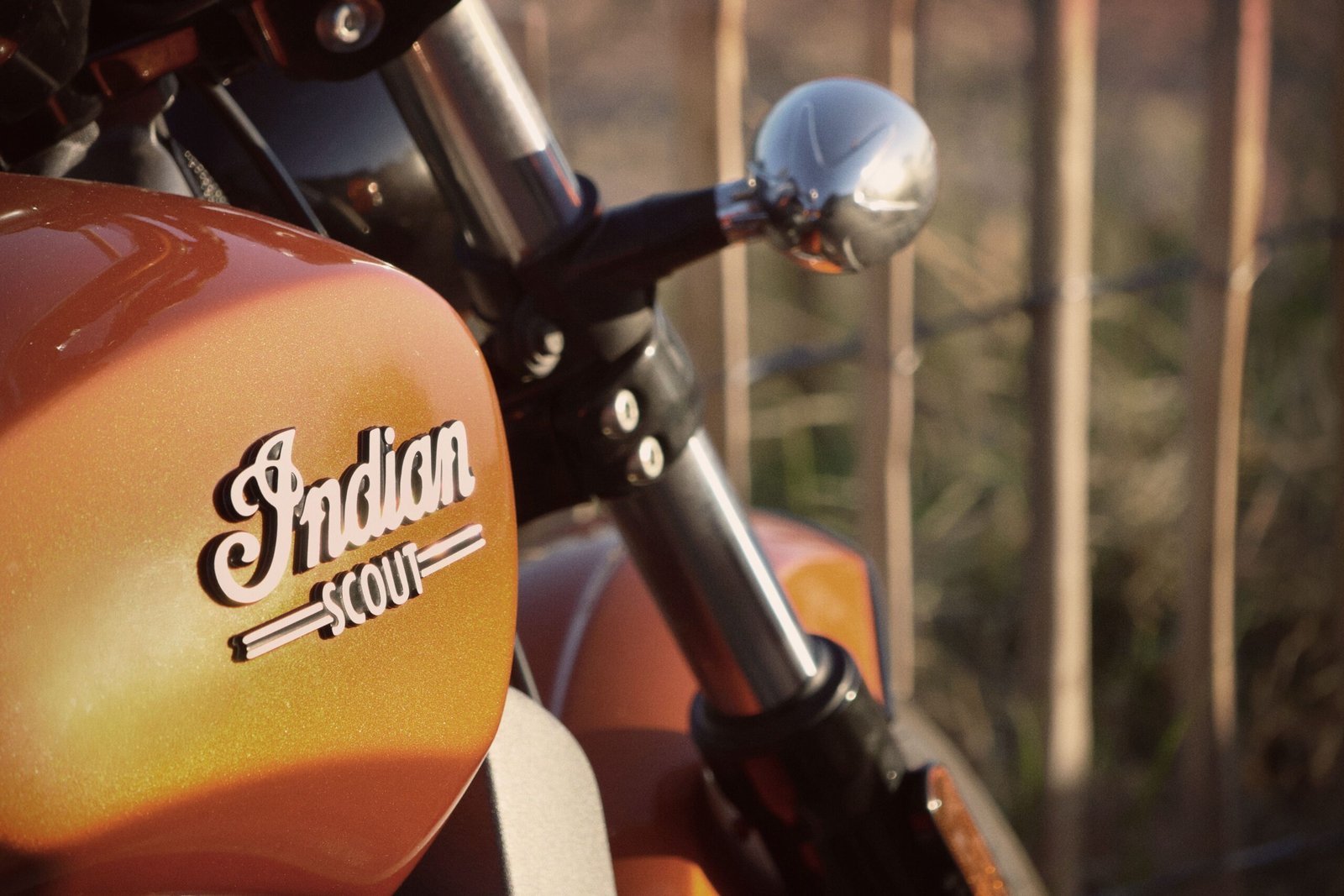
The Indian Scout motorcycle has earned a distinctive place in the world of American motorcycling by combining classic cruiser heritage with modern engineering, accessible dimensions and a style that is immediately recognizable. Produced by Indian Motorcycle, the Scout family has long appealed to riders who want a motorcycle with strong character without moving into the enormous dimensions associated with some traditional American cruisers. The Scout name carries considerable historical significance, but modern Scout motorcycles are designed for today’s roads and riders, offering contemporary engines, electronics, suspension systems, braking technology and ergonomics while retaining the visual appeal that makes a classic cruiser so attractive. Whether you are considering an Indian Scout for weekend rides, daily transportation, relaxed highway cruising or simply because you appreciate beautifully designed motorcycles, understanding the different models and their characteristics can help you decide which version best suits your needs.

The Scout range is particularly interesting because it offers several interpretations of the same basic idea. Depending on the model and equipment level, a buyer can choose a motorcycle with traditional styling, a stripped-down bobber appearance, additional touring-oriented equipment or a more performance-focused specification. This variety means that the phrase Indian Scout motorcycle does not describe just one exact configuration. Instead, it represents a family of motorcycles sharing a common platform and identity while offering different approaches to styling, equipment and riding. In this guide, we will look at what makes the Indian Scout special, explore the major characteristics buyers should understand, discuss performance and comfort, examine the different Scout variants and explain what you should consider before purchasing one.

What Is the Indian Scout Motorcycle?

The Indian Scout is a mid-sized American cruiser motorcycle developed by Indian Motorcycle, a brand with a long history in American motorcycling. The modern Scout combines heritage-inspired styling with contemporary mechanical components, creating a motorcycle that can appeal to both experienced riders and people entering the world of larger motorcycles. One of the Scout’s most recognizable characteristics is its relatively compact appearance compared with many large American cruisers. The motorcycle manages to look substantial and prestigious without requiring the rider to handle an exceptionally large machine, which contributes significantly to its popularity.

The Scout’s design philosophy focuses heavily on simplicity and proportion. The fuel tank, frame, wheels, engine and exhaust system work together to create a recognizable silhouette rather than relying on excessive bodywork or complicated styling. This is particularly noticeable on versions such as the Indian Scout Bobber, where unnecessary visual elements are minimized to create a darker and more aggressive appearance. At the same time, other Scout variants provide more traditional cruiser styling, giving buyers the opportunity to select a motorcycle according to their personal taste. This balance between heritage and modern engineering is one of the most important reasons the Scout remains an interesting choice in the American motorcycle market.

Indian Scout Motorcycle Design and Styling

One of the biggest reasons riders choose an Indian Scout is its appearance. Motorcycles are often purchased for emotional as well as practical reasons, and the Scout is designed to create a strong visual impression even when it is parked. The low-slung profile, exposed mechanical components, sculpted fuel tank and classic cruiser proportions give the motorcycle a distinctive identity. Rather than attempting to look like a futuristic machine, the Scout embraces elements associated with traditional American motorcycles while integrating them into a modern package.

The Indian Scout Bobber takes this approach in a particularly noticeable direction. Its styling emphasizes a stripped-back appearance, with a compact profile and a darker, more aggressive visual character depending on the chosen configuration. The Bobber concept has become popular among riders who appreciate motorcycles that look customized directly from the factory. By contrast, a more traditionally styled Scout can appeal to someone who prefers chrome, classic details and a relaxed cruiser aesthetic. This variety makes the Scout family more than simply a single motorcycle with different paint colors; the various versions can deliver noticeably different personalities while retaining the underlying Scout identity.

Engine and Performance

Performance is another major attraction of the Indian Scout motorcycle. The Scout platform has traditionally been associated with a liquid-cooled V-twin engine, giving the motorcycle the distinctive character that many riders expect from an American cruiser while using modern engineering to provide strong everyday performance. A V-twin configuration contributes to the motorcycle’s sound, feel and power delivery, while liquid cooling helps manage engine temperatures during different riding conditions.

For most riders, the appeal of the Scout engine is not simply a particular horsepower figure. What matters more is how the motorcycle delivers its power on the road. A strong mid-range response can make urban riding enjoyable, while sufficient power for highway speeds allows the motorcycle to remain useful beyond short local trips. The engine character also contributes to the emotional side of riding, providing the mechanical sensation and sound that cruiser enthusiasts often seek. Exact engine specifications, output and equipment can vary between model years and individual Scout versions, so buyers should always check the specifications for the particular year and trim they are considering.

How Does the Indian Scout Ride?

The riding experience is one of the strongest reasons to consider a Scout. Its relatively manageable physical size can make it less intimidating than some larger American cruisers, while its cruiser-oriented ergonomics create a relaxed riding position. A low seat can also be appealing to riders who prefer an easier reach to the ground when stopping. This characteristic can increase confidence during low-speed maneuvers, parking and city riding, although overall comfort still depends on rider height, inseam, handlebar position and foot-control placement.

On open roads, the Scout can provide an engaging combination of relaxed cruising and responsive acceleration. Its chassis is designed to offer a balance between stability and maneuverability, allowing the motorcycle to work for both casual cruising and more energetic riding. However, it is important to remember that a cruiser is not automatically equivalent to a sport motorcycle. Riders seeking aggressive cornering, extreme suspension performance or a highly committed riding position may prefer a different category of motorcycle. The Scout’s strengths are its character, accessibility, styling and enjoyable road manners rather than trying to imitate a dedicated sportbike.

Indian Scout Comfort and Ergonomics

Comfort can vary considerably between riders, which makes it an important consideration when evaluating an Indian Scout motorcycle. The low-slung seating position gives the Scout its distinctive cruiser profile and can be advantageous for riders who value confidence at stops. However, seat comfort over several hours depends on individual body proportions and the particular seat fitted to the motorcycle. A rider who feels comfortable for a short test ride may have different impressions after several hours on the highway.

Handlebar position, foot controls and seat shape also influence the overall experience. Fortunately, motorcycles in this category can often be personalized with accessories, including alternative seats, handlebars, luggage and wind protection. Riders planning frequent long-distance journeys should consider these accessories as part of the overall ownership equation rather than viewing the base motorcycle in isolation. A motorcycle that works perfectly for weekend rides may require additional equipment to become an ideal touring machine.

Indian Scout Models and Variants

The Scout family has included several different versions over its modern history, and model availability can change depending on the model year and market. Names associated with the Scout family include the standard Scout, Scout Bobber, Scout Sixty and more traditionally styled or touring-oriented configurations. More recent generations have also expanded the Scout family with additional trims and equipment packages, giving buyers greater choice.

The Indian Scout Bobber is particularly recognizable because of its minimalist styling. It is aimed at riders who want a more contemporary interpretation of the traditional bobber concept. The standard Scout tends to provide a more balanced presentation, while other variants can add touring equipment, additional comfort features or different styling elements. The important point for buyers is that model names can change over time, so specifications should be checked against the exact model year rather than assuming every Scout with a particular name has identical equipment.

Indian Scout vs Indian Scout Bobber

Choosing between an Indian Scout and an Indian Scout Bobber often comes down to styling preferences and intended use. Both belong to the same family, but their visual personalities are different. The standard Scout generally presents a more traditional cruiser appearance, making it suitable for someone who wants classic American motorcycle styling. The Bobber takes a more stripped-down and aggressive approach, appealing to riders who want a factory-built motorcycle with a custom-inspired aesthetic.

Neither is automatically the better motorcycle. The right choice depends on what you value most. If traditional styling and a versatile appearance are priorities, a conventional Scout may be the stronger option. If minimalist design and a darker, more aggressive personality are more important, the Scout Bobber may be more appealing. Riders should also compare the equipment, seating arrangement, suspension components and available accessories for the exact model year before making a final decision.

Technology and Modern Features

Although the Scout has a strong connection with classic American motorcycle design, modern versions are not simply old-fashioned motorcycles with updated paint. Depending on the specific model and trim, Scout motorcycles can offer modern rider technology, contemporary braking systems, electronic controls, lighting and other convenience features. Higher-specification versions may provide additional technology that improves navigation, connectivity, ride information or touring convenience.

This is an important part of the Scout’s appeal because modern riders often expect both heritage styling and contemporary usability. Someone can enjoy the appearance of a classic American cruiser while still benefiting from features designed for modern traffic and longer journeys. When comparing Scout models, it is therefore worth looking beyond the engine and appearance. Equipment levels can make a significant difference in daily usability and ownership satisfaction.

Indian Scout for City Riding

Despite its cruiser design, the Indian Scout can be practical for urban riding because of its manageable overall dimensions and low seat height. In traffic, a motorcycle that feels easy to balance at low speeds can be considerably less stressful than a much larger cruiser. The engine provides enough performance for quick movement through traffic, while the riding position gives the rider a clear view of surrounding vehicles.

Urban riders should still consider the motorcycle’s weight, turning radius, engine heat, clutch feel and parking environment before purchasing. A motorcycle can be relatively compact for its category while still being substantially larger than a small commuter motorcycle. The Scout therefore makes the most sense for someone who wants a full-size cruiser experience rather than simply the smallest motorcycle possible for transportation.

Indian Scout for Highway Riding

The Scout can also be an attractive choice for riders who regularly leave the city and enjoy open-road cruising. Its V-twin engine provides the kind of power delivery associated with American cruisers, while the riding position encourages a relaxed pace. Highway comfort, however, depends significantly on wind protection. A motorcycle without substantial fairing or windshield equipment exposes the rider to wind pressure, which can become tiring during long-distance journeys.

For riders who intend to tour regularly, accessories can make a major difference. A windshield, improved seat, luggage and other touring equipment can transform the motorcycle’s practicality for longer trips. Buyers should calculate the cost of these additions when comparing models, because the least expensive motorcycle at the dealership is not necessarily the least expensive motorcycle to configure for a particular type of riding.

Maintenance and Ownership Considerations

Owning an Indian Scout involves more than simply purchasing the motorcycle. Regular maintenance is essential for keeping any motorcycle safe, reliable and enjoyable. Routine servicing can include engine oil and filter changes, brake inspection, tire checks, drive-system inspection, fluid checks and other procedures specified by the manufacturer. Maintenance intervals and requirements vary by model and model year, so owners should follow the official service schedule for their particular motorcycle.

Tires are another important ownership consideration because motorcycles rely on relatively small contact patches compared with cars. Correct tire pressure, adequate tread and proper condition can significantly influence handling and braking. Riders should also pay attention to the motorcycle’s battery, lighting, brake components and suspension. Keeping up with routine maintenance is usually far less stressful and potentially less expensive than ignoring small issues until they become major problems.

Is the Indian Scout Motorcycle Good for New Riders?

The Scout can be approachable for riders who have appropriate motorcycle training and experience, but “beginner-friendly” should not be confused with “small” or “risk-free.” A Scout is a serious motorcycle with substantial power and weight, and a new rider should develop fundamental skills before riding aggressively or entering difficult traffic situations. Professional rider training, protective equipment and gradual skill development are more important than simply choosing a motorcycle with a manageable seat height.

The low seating position can help some newer riders feel more confident, especially when stopping or maneuvering at low speeds. However, prospective buyers should sit on the motorcycle, practice basic controls and ideally complete a supervised test ride before deciding. Physical comfort and confidence are highly individual, so specifications alone cannot determine whether a particular motorcycle is appropriate for a new rider.

What Makes the Indian Scout Special?

The most compelling characteristic of the Indian Scout is its combination of heritage, performance and accessibility. It does not require riders to choose between a motorcycle with classic character and a motorcycle with modern engineering. Instead, the Scout attempts to provide both. Its American V-twin character, distinctive styling and broad range of configurations make it attractive to riders who want a motorcycle with personality rather than simply a practical means of transportation.

The Scout also occupies an interesting middle ground within the Indian Motorcycle lineup. It can deliver the visual drama of a large American cruiser while remaining comparatively approachable in size and proportions. This makes it suitable for a wide range of riders, from people purchasing their first substantial cruiser to experienced motorcyclists looking for a stylish machine for relaxed road riding.

Tips for Buying an Indian Scout Motorcycle

If you are considering an Indian Scout, start by deciding how you will actually use the motorcycle. A rider who primarily travels around town may have different priorities from someone who spends entire weekends on highways. Consider seat comfort, riding position, wind protection, luggage requirements and passenger needs before focusing entirely on engine specifications. It is also worth comparing the standard equipment of each trim because a motorcycle that initially costs more may provide features you would otherwise purchase separately.

For a used Indian Scout, condition and maintenance history are especially important. Check service records, tire condition, brake components, fluid leaks, controls, lighting and signs of accident damage. Ask whether the motorcycle has been modified and determine whether aftermarket parts were professionally installed. A well-maintained used motorcycle can be an excellent purchase, but buyers should avoid making a decision based solely on mileage or price. Overall condition and maintenance history can tell you much more about the likely ownership experience.

Conclusion

The Indian Scout motorcycle remains an appealing choice for riders who want American cruiser character combined with modern usability. Its recognizable styling, V-twin engine configuration, approachable proportions and range of available variants give it a broad appeal. From the traditional Scout to the aggressive Scout Bobber and other configurations, the family provides different interpretations of the same fundamental motorcycle concept. This allows riders to choose a version that matches their preferred appearance, comfort requirements and riding habits.

Ultimately, the best Indian Scout is the one that fits your individual needs rather than the one with the longest list of specifications. Consider how frequently you ride, where you ride, whether you need passenger or touring equipment and what kind of riding position you find comfortable. Take the motorcycle for a proper test ride, compare the exact model-year specifications and budget for insurance, maintenance and accessories. With those factors considered, an Indian Scout can offer an engaging combination of American heritage, modern engineering and distinctive motorcycle character.

Frequently Asked Questions

Is the Indian Scout a good motorcycle?

Yes, the Indian Scout is an appealing motorcycle for riders looking for a mid-sized American cruiser with distinctive styling, V-twin character and modern engineering. Its suitability depends on the rider’s experience, physical fit and intended use.

What is the Indian Scout Bobber?

The Indian Scout Bobber is a Scout-family motorcycle designed around a more minimalist and aggressive bobber-inspired appearance. It shares the Scout family’s fundamental character while offering its own styling and equipment configuration.

Is the Indian Scout good for beginners?

The Scout can be manageable for some appropriately trained newer riders, particularly because of its low seating position, but it is still a powerful full-size motorcycle. New riders should receive proper motorcycle training and build their skills gradually.

What engine does the Indian Scout use?

Scout motorcycles have traditionally used liquid-cooled V-twin engines. Exact engine displacement, power output and specifications depend on the model and model year.

Is the Indian Scout comfortable for long rides?

It can be, but long-distance comfort depends on the rider, seat, ergonomics and equipment. Riders planning frequent touring may benefit from accessories such as a more comfortable seat, windshield and luggage.

What is the difference between the Indian Scout and Scout Bobber?

The main difference is their styling and configuration. The Scout generally has a more traditional cruiser presentation, while the Scout Bobber emphasizes a stripped-down, aggressive bobber-inspired appearance. Exact equipment differences depend on the model year.

Is the Indian Scout good for highway riding?

Yes, the Scout can be used for highway riding and longer road trips. However, wind protection and seat comfort can become important factors on extended journeys, so touring accessories may be worthwhile.

Should I buy a new or used Indian Scout?

Both can make sense. A new Scout gives you the latest available specifications, equipment and warranty coverage, while a well-maintained used Scout can provide considerable value. For a used motorcycle, maintenance history and overall condition should be carefully evaluated.

What should I check before buying a used Indian Scout?

Check the service history, tires, brakes, fluids, suspension, controls, electrical equipment and signs of accident damage. Also inspect aftermarket modifications and verify that routine maintenance has been performed according to the manufacturer’s requirements.

Why is the Indian Scout popular?

The Scout combines recognizable American motorcycle styling with modern engineering in a relatively approachable package. Its strong visual identity, V-twin character and variety of configurations make it attractive to many cruiser enthusiasts.

Continue Reading

Blog

Man of Sorrows Hillsong Lyrics: Meaning, Song Background, and Worship Guide

Published

on

Man of Sorrows Hillsong Lyrics

Man of Sorrows” by Hillsong Worship is a Christian worship song centered on Jesus Christ, His suffering and sacrifice, the cross, redemption, freedom from sin, and the resurrection. Written by Matt Crocker and Brooke Ligertwood, the song is associated with Hillsong Worship’s Glorious Ruins project, and Hillsong provides an official lyrics page for the song. Rather than reproducing the complete copyrighted lyrics here, this guide explores the song’s message, structure, biblical themes, background, and significance for worship. The song moves through the story of Christ’s suffering toward the hope of the empty tomb, making it particularly appropriate for Easter, Good Friday, Communion, personal reflection, and congregational worship. Its central message is that the suffering and death of Jesus are not presented as the end of the story; they point toward redemption, forgiveness, freedom, and resurrection.

What Is “Man of Sorrows” by Hillsong Worship?

“Man of Sorrows” is a modern Christian worship song performed by Hillsong Worship and written by Matt Crocker and Brooke Ligertwood. Hillsong’s official page lists the song with Glorious Ruins and identifies the writers as Crocker and Ligertwood. The song takes its listener through several major moments of the Christian gospel: Christ being betrayed and suffering, His obedience to the Father, His death on the cross, the believer’s redemption, and finally His resurrection. Because the song combines solemn reflections on the crucifixion with a triumphant message of freedom and resurrection, it has become a natural choice for worship settings focused on Easter and the sacrifice of Jesus.

The title itself is important because “Man of Sorrows” is a biblical expression associated with the suffering servant described in Isaiah 53. The song applies that imagery directly to Jesus, presenting Him as the Lamb of God who willingly endured suffering for humanity. The lyrics then develop this theme through references to the cross, the payment of humanity’s spiritual debt, freedom from sin, and the empty tomb. Worship resources also classify the song around themes such as the cross, resurrection, Communion, Easter, and the life of Jesus.

Man of Sorrows Hillsong Lyrics: Where to Find the Official Lyrics

People searching for “Man of Sorrows Hillsong lyrics” are often looking for the complete words to the song. Because the lyrics are copyrighted, a complete reproduction should not be included in an article unless the necessary rights are available. The best approach is to direct readers to the official Hillsong lyrics page, where the published lyrics are available alongside the song information. Hillsong credits Matt Crocker and Brooke Ligertwood for the words and music.

The song begins by describing Jesus as the suffering Lamb of God and then develops the story through His accusation, suffering, and crown of thorns. The chorus shifts attention toward the cross as the source of salvation and emphasizes a response of praise. Later sections focus on redemption and freedom, while the final verse turns toward the resurrection and the empty tomb. This progression gives the song a clear narrative structure: suffering → sacrifice → redemption → freedom → resurrection.

The Meaning Behind the Title “Man of Sorrows”

The phrase “Man of Sorrows” communicates the suffering and humility associated with Jesus during His earthly ministry and especially His Passion. In Christian theology, Jesus is understood not merely as someone who experienced ordinary human difficulties but as the Messiah who willingly endured suffering and death as part of God’s redemptive plan. The song uses this title to establish a serious and reverent tone from its opening lines.

This theme connects strongly with Isaiah 53, where the suffering servant is portrayed as acquainted with grief and suffering. Worship Together also lists Isaiah 53 among the song’s scriptural references and identifies themes including grace, mercy, resurrection, sacrifice, and reflection. The connection helps explain why the song feels especially appropriate during Holy Week. It invites worshippers to contemplate the seriousness of sin and suffering while simultaneously looking toward God’s grace and salvation.

The Song’s Focus on the Cross

One of the strongest themes in Man of Sorrows Hillsong lyrics is the cross. The song describes the cross not simply as an instrument of suffering but as the place where salvation and divine love are revealed. This is central to Christian worship because the crucifixion represents the point at which Jesus willingly gives Himself for humanity.

The chorus therefore changes the emotional direction of the song. The verses describe betrayal, accusation, suffering, and the crown of thorns, but the response is worship and praise. Instead of leaving the listener focused only on tragedy, the song presents the cross as a demonstration of God’s love and a source of salvation. This combination of sorrow and hope is one reason the song works so effectively in congregational worship.

Redemption and the Message of Freedom

Another major theme appears in the song’s bridge, where the focus moves from what Jesus experienced to what His sacrifice means for the believer. The central idea is that humanity’s spiritual debt has been dealt with through Christ and that sin no longer has ultimate control over those who belong to Him.

This makes the song more than a description of the crucifixion. It becomes a personal declaration of faith. The worshipper is invited to recognize that the story of Jesus affects his or her own relationship with God. The message of freedom is particularly significant because Christian worship frequently connects the death and resurrection of Jesus with forgiveness, reconciliation, and new life.

The song’s bridge is therefore one of its most powerful theological moments. Rather than focusing exclusively on what happened to Jesus, it asks listeners to consider the result of His sacrifice: forgiveness, freedom, and restored relationship with God.

The Resurrection in “Man of Sorrows”

The final movement of the song turns from the cross toward the empty tomb. This is essential because Christian faith does not end with the death of Jesus. The resurrection is presented as God’s victory over death and the fulfillment of the hope introduced throughout the song.

The final verse refers to the stone being rolled away and the empty tomb, bringing the song to a triumphant conclusion. Hillsong’s official lyrics page confirms that the final verse focuses on the resurrection and God’s praise. This gives the song a powerful overall progression. It begins with sorrow and suffering but finishes with resurrection and praise.

That progression also explains why “Man of Sorrows” is especially suitable for Easter worship. Good Friday services can emphasize the suffering and crucifixion themes, while Easter services can highlight the final movement toward resurrection. The song itself contains both dimensions.

Who Wrote “Man of Sorrows”?

“Man of Sorrows” was written by Matt Crocker and Brooke Ligertwood. Hillsong’s official song page identifies both as the writers and composers. Both writers have been associated with contemporary Christian worship songwriting, and their collaboration produced a song that combines accessible congregational language with strong biblical imagery.

The song’s writing is effective because it tells a complete gospel-centered story without becoming excessively complicated. Each section contributes to the overall narrative, allowing a congregation to sing about Christ’s suffering, salvation, freedom, and resurrection within one worship song.

Why “Man of Sorrows” Is Popular for Easter Worship

Easter is one of the most important seasons in the Christian calendar, and worship songs used during this period often need to communicate both the seriousness of the crucifixion and the joy of the resurrection. Man of Sorrows accomplishes this through its structure. The opening sections focus on Christ’s suffering, while the later sections emphasize redemption, freedom, and resurrection.

This makes the song suitable for Good Friday reflections as well as Easter services. Worship leaders can use it when the purpose is to help a congregation contemplate the cross before moving toward the hope of the empty tomb. The song’s themes are also compatible with Communion services because its message centers on Christ’s sacrifice and its significance for believers. Worship Together specifically categorizes it under Communion and Reflection as well as Resurrection and Sacrifice.

Biblical Themes in Man of Sorrows

The song contains several themes that are deeply rooted in the New Testament and Old Testament understanding of Jesus. The most obvious is the suffering servant imagery connected with Isaiah 53. The cross reflects the New Testament accounts of Christ’s crucifixion, while the empty tomb points to the resurrection narratives. The song’s emphasis on freedom from sin also connects with the broader New Testament teaching concerning salvation through Christ.

These themes help explain why the song works well for Christian teaching as well as worship. A worship leader, Bible study teacher, or pastor can use the song as a starting point for discussing the meaning of the cross and resurrection. Rather than treating the lyrics as isolated poetic statements, listeners can examine how each section connects with major biblical teachings about Jesus.

Man of Sorrows Chords and Worship Performance

For musicians and worship teams searching for “Man of Sorrows chords”, several worship resources provide chord arrangements. Worship Together lists the song in the key of F and identifies a medium tempo, while Essential Worship also provides a chord arrangement. These resources can be useful for guitarists, pianists, worship leaders, and church musicians preparing the song for congregational use.

The song’s relatively straightforward structure also makes it adaptable to different worship environments. A church can perform it with a full worship band, piano and acoustic guitar, or a simpler arrangement for a smaller gathering. The most important consideration is not the complexity of the instrumentation but the ability of the arrangement to support the message of the song.

How to Use “Man of Sorrows” in Personal Worship

“Man of Sorrows” can also be meaningful outside a church service. During personal worship, listeners can use each section of the song as a point for reflection. The opening verses can encourage meditation on the suffering of Jesus, the chorus can become a response of gratitude for salvation, the bridge can prompt reflection on forgiveness and freedom, and the final verse can direct attention toward resurrection hope.

One helpful approach is to read the relevant biblical passages before listening to the song. Isaiah 53 can provide context for the suffering-servant imagery, while the Gospel resurrection accounts can help explain the song’s final movement toward the empty tomb. This approach allows the listener to engage with the song not only emotionally but also biblically.

Man of Sorrows Lyrics: What Is the Main Message?

The central message of Man of Sorrows can be summarized as the gospel story of Jesus Christ’s suffering, sacrifice, redemption, and resurrection. The song begins with the sorrow of Christ’s suffering but does not remain there. It moves toward the cross as the place of salvation, then toward freedom from sin, and finally toward the resurrection.

In simple terms, the song reminds Christians that the cross represents both sacrifice and hope. Jesus suffered and died, but His death is presented as part of God’s redemptive work, and His resurrection demonstrates victory over death. That combination gives the song its emotional and theological power.

Frequently Asked Questions

What are the “Man of Sorrows Hillsong lyrics” about?

The lyrics are about Jesus Christ’s suffering, crucifixion, sacrifice, redemption, freedom from sin, and resurrection. The song moves from the sorrow of the cross toward the hope and victory represented by the empty tomb.

Who wrote Man of Sorrows by Hillsong Worship?

The song was written by Matt Crocker and Brooke Ligertwood. Hillsong’s official page credits both writers for the words and music.

What Hillsong album is Man of Sorrows on?

The song is associated with Hillsong Worship’s 2013 album Glorious Ruins. Hillsong’s official page lists Glorious Ruins alongside “Man of Sorrows – Live.”

Is Man of Sorrows an Easter worship song?

Yes. Its themes of Christ’s crucifixion, salvation, and resurrection make it particularly appropriate for Easter and Holy Week services. Worship resources specifically associate the song with Easter, resurrection, sacrifice, Communion, and reflection.

Where can I find the official Man of Sorrows lyrics?

The official Hillsong website has a dedicated lyrics page for “Man of Sorrows – Live.”

What does “Man of Sorrows” mean in Christianity?

“Man of Sorrows” refers to the suffering Messiah and is strongly connected with the imagery of Isaiah 53. In the Hillsong song, the phrase describes Jesus’ suffering and leads into themes of His sacrifice, salvation, and resurrection.

What is the main theme of Man of Sorrows?

The central theme is Jesus’ sacrificial death and victorious resurrection. The song connects the suffering of Christ with salvation, forgiveness, freedom, and hope.

Conclusion

Man of Sorrows” by Hillsong Worship remains a meaningful contemporary worship song because it tells the Christian gospel story in a clear and emotionally powerful way. Written by Matt Crocker and Brooke Ligertwood, the song takes listeners from the suffering of Jesus to the cross, from the cross to redemption and freedom, and finally from the grave to resurrection hope. For anyone searching for Man of Sorrows Hillsong lyrics, understanding the meaning behind the song adds much more value than simply reading the words. Its themes of sacrifice, salvation, grace, freedom, and resurrection make it especially relevant for Easter, Good Friday, Communion, church worship, and personal devotion. For the complete copyrighted lyrics, readers should use the official Hillsong lyrics page rather than relying on unauthorized copies.

Continue Reading

Trending