
Blog
Barbara Boothe Biography: Family, Marriage, Children, Career, and Life Away from the Spotlight

Barbara Boothe is best known as the former wife of Oracle co-founder Larry Ellison and the mother of film industry leaders David Ellison and Megan Ellison. Although her family connections have drawn public attention for decades, Barbara Boothe has consistently chosen a private life rather than a public one. Unlike many people associated with famous entrepreneurs or celebrities, she has rarely appeared in interviews or sought media attention. Her story is therefore one of quiet influence, centered on family, raising her children, and pursuing personal interests outside the spotlight. While verified public information about her is limited, the available record shows a woman whose influence is reflected more in her family’s accomplishments than in public recognition.
Who Is Barbara Boothe?
Barbara Boothe is an American private individual who became publicly known through her marriage to Larry Ellison during Oracle’s early years. The couple married in the early 1980s and had two children together before divorcing in 1986. Their children, David Ellison and Megan Ellison, later became highly successful figures in Hollywood as the founder of Skydance Media and the founder of Annapurna Pictures, respectively. Public reporting consistently describes Barbara as the parent who played a major role in raising them after the divorce.
Early Life and Background
Barbara Boothe has kept her early life largely private. There are no widely verified public records confirming her birth date, childhood, parents, or educational background. Some reports identify her as originally being from Oregon, but detailed biographical information has never been publicly documented. This lack of information reflects her longstanding preference for privacy rather than any public career or celebrity status. Responsible biographies should acknowledge these limits instead of filling gaps with speculation.
Career
Barbara Boothe’s professional background has received little public attention. Some accounts report that she worked in an administrative role at Relational Software Inc., the company that later became Oracle, where she met Larry Ellison. However, there is no reliable evidence that she held an executive or leadership position within the company. Later public reporting has linked her with equestrian activities and horse farming, but many details about her work remain private and are not fully documented.
Marriage to Larry Ellison
Barbara Boothe married Larry Ellison during a formative period in Oracle’s history. Their marriage produced two children, David and Megan Ellison, before ending in divorce in 1986. Although Larry Ellison went on to become one of the world’s best-known technology entrepreneurs, Barbara chose a different path by staying out of the public spotlight. Public accounts indicate that she became the primary parent raising their children after the separation, providing a stable home environment while they developed interests that eventually led them into the film industry.
Family and Children
Barbara Boothe’s greatest public legacy is often associated with her children. David Ellison founded Skydance Media, while Megan Ellison established Annapurna Pictures, two companies that have played important roles in modern film production. Interviews and profiles about the Ellison family frequently describe Barbara’s role in creating a disciplined home life and encouraging creativity during her children’s upbringing. While she has remained largely absent from public life, her influence is evident in the accomplishments of her family.
Life Away from the Spotlight
One of the defining characteristics of Barbara Boothe’s life is her commitment to privacy. Unlike many people connected to prominent public figures, she has not pursued celebrity status or maintained a significant public presence. Reports also associate her with equestrian interests and horse farming, reflecting a lifestyle focused on personal passions rather than media attention. This preference for privacy has made her biography relatively brief but also highlights that not everyone connected to fame seeks public recognition.
Why Is Barbara Boothe Well Known?
Public interest in Barbara Boothe comes primarily from her connection to Larry Ellison and the success of her children in Hollywood. Readers searching for information about the Ellison family often want to understand the people who influenced David and Megan Ellison’s early lives. Despite that curiosity, Barbara herself has maintained a private profile, leaving only a modest amount of verified information available.
Conclusion
Barbara Boothe demonstrates that a meaningful legacy does not always require public visibility. While she is widely recognized as Larry Ellison’s former wife and the mother of David and Megan Ellison, her own story is one of privacy, family, and quiet influence. Much about her personal life remains undisclosed, and that privacy deserves respect. The verified public record portrays Barbara Boothe as a devoted parent whose role in raising two successful entertainment executives has become the most enduring aspect of her public legacy.
Frequently Asked Questions
Who is Barbara Boothe?
Barbara Boothe is best known as the former wife of Oracle co-founder Larry Ellison and the mother of David Ellison and Megan Ellison.
Was Barbara Boothe married to Larry Ellison?
Yes. Barbara Boothe and Larry Ellison were married during the early 1980s before divorcing in 1986.
Who are Barbara Boothe’s children?
Her children are David Ellison, founder of Skydance Media, and Megan Ellison, founder of Annapurna Pictures.
What is Barbara Boothe known for?
She is known for her connection to the Ellison family, her role in raising David and Megan Ellison, and her private lifestyle.
What does Barbara Boothe do?
Public reports associate her with equestrian interests and horse farming, but many details of her professional life have not been publicly documented.
What is Barbara Boothe’s net worth?
There is no reliable public information confirming Barbara Boothe’s personal net worth. Online estimates are speculative and should be treated with caution.
Is Barbara Boothe active on social media?
There are no widely verified public social media accounts belonging to Barbara Boothe.


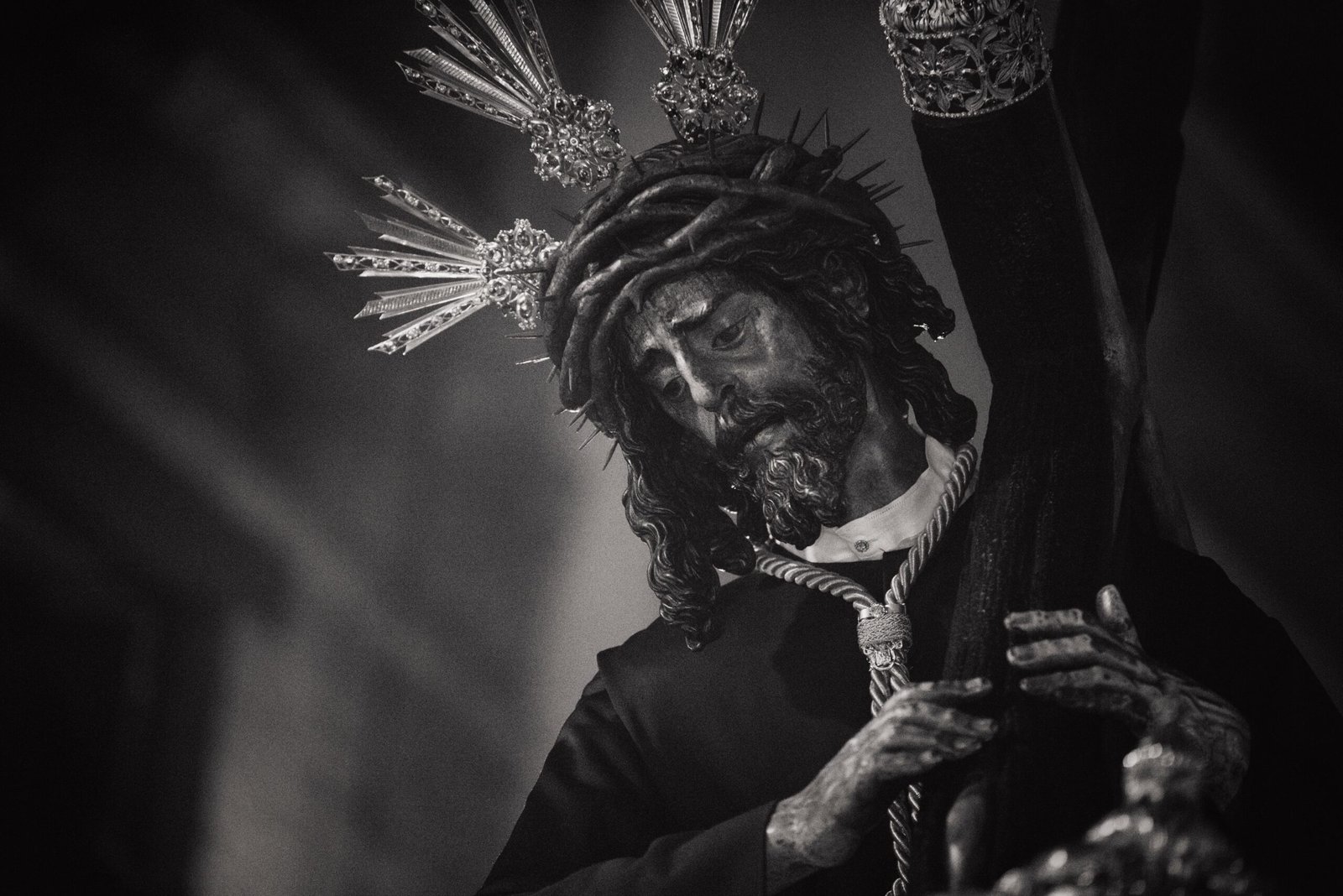
“Man of Sorrows” by Hillsong Worship is a Christian worship song centered on Jesus Christ, His suffering and sacrifice, the cross, redemption, freedom from sin, and the resurrection. Written by Matt Crocker and Brooke Ligertwood, the song is associated with Hillsong Worship’s Glorious Ruins project, and Hillsong provides an official lyrics page for the song. Rather than reproducing the complete copyrighted lyrics here, this guide explores the song’s message, structure, biblical themes, background, and significance for worship. The song moves through the story of Christ’s suffering toward the hope of the empty tomb, making it particularly appropriate for Easter, Good Friday, Communion, personal reflection, and congregational worship. Its central message is that the suffering and death of Jesus are not presented as the end of the story; they point toward redemption, forgiveness, freedom, and resurrection.
What Is “Man of Sorrows” by Hillsong Worship?
“Man of Sorrows” is a modern Christian worship song performed by Hillsong Worship and written by Matt Crocker and Brooke Ligertwood. Hillsong’s official page lists the song with Glorious Ruins and identifies the writers as Crocker and Ligertwood. The song takes its listener through several major moments of the Christian gospel: Christ being betrayed and suffering, His obedience to the Father, His death on the cross, the believer’s redemption, and finally His resurrection. Because the song combines solemn reflections on the crucifixion with a triumphant message of freedom and resurrection, it has become a natural choice for worship settings focused on Easter and the sacrifice of Jesus.
The title itself is important because “Man of Sorrows” is a biblical expression associated with the suffering servant described in Isaiah 53. The song applies that imagery directly to Jesus, presenting Him as the Lamb of God who willingly endured suffering for humanity. The lyrics then develop this theme through references to the cross, the payment of humanity’s spiritual debt, freedom from sin, and the empty tomb. Worship resources also classify the song around themes such as the cross, resurrection, Communion, Easter, and the life of Jesus.
Man of Sorrows Hillsong Lyrics: Where to Find the Official Lyrics
People searching for “Man of Sorrows Hillsong lyrics” are often looking for the complete words to the song. Because the lyrics are copyrighted, a complete reproduction should not be included in an article unless the necessary rights are available. The best approach is to direct readers to the official Hillsong lyrics page, where the published lyrics are available alongside the song information. Hillsong credits Matt Crocker and Brooke Ligertwood for the words and music.
The song begins by describing Jesus as the suffering Lamb of God and then develops the story through His accusation, suffering, and crown of thorns. The chorus shifts attention toward the cross as the source of salvation and emphasizes a response of praise. Later sections focus on redemption and freedom, while the final verse turns toward the resurrection and the empty tomb. This progression gives the song a clear narrative structure: suffering → sacrifice → redemption → freedom → resurrection.
The Meaning Behind the Title “Man of Sorrows”
The phrase “Man of Sorrows” communicates the suffering and humility associated with Jesus during His earthly ministry and especially His Passion. In Christian theology, Jesus is understood not merely as someone who experienced ordinary human difficulties but as the Messiah who willingly endured suffering and death as part of God’s redemptive plan. The song uses this title to establish a serious and reverent tone from its opening lines.
This theme connects strongly with Isaiah 53, where the suffering servant is portrayed as acquainted with grief and suffering. Worship Together also lists Isaiah 53 among the song’s scriptural references and identifies themes including grace, mercy, resurrection, sacrifice, and reflection. The connection helps explain why the song feels especially appropriate during Holy Week. It invites worshippers to contemplate the seriousness of sin and suffering while simultaneously looking toward God’s grace and salvation.
The Song’s Focus on the Cross
One of the strongest themes in Man of Sorrows Hillsong lyrics is the cross. The song describes the cross not simply as an instrument of suffering but as the place where salvation and divine love are revealed. This is central to Christian worship because the crucifixion represents the point at which Jesus willingly gives Himself for humanity.
The chorus therefore changes the emotional direction of the song. The verses describe betrayal, accusation, suffering, and the crown of thorns, but the response is worship and praise. Instead of leaving the listener focused only on tragedy, the song presents the cross as a demonstration of God’s love and a source of salvation. This combination of sorrow and hope is one reason the song works so effectively in congregational worship.
Redemption and the Message of Freedom
Another major theme appears in the song’s bridge, where the focus moves from what Jesus experienced to what His sacrifice means for the believer. The central idea is that humanity’s spiritual debt has been dealt with through Christ and that sin no longer has ultimate control over those who belong to Him.
This makes the song more than a description of the crucifixion. It becomes a personal declaration of faith. The worshipper is invited to recognize that the story of Jesus affects his or her own relationship with God. The message of freedom is particularly significant because Christian worship frequently connects the death and resurrection of Jesus with forgiveness, reconciliation, and new life.
The song’s bridge is therefore one of its most powerful theological moments. Rather than focusing exclusively on what happened to Jesus, it asks listeners to consider the result of His sacrifice: forgiveness, freedom, and restored relationship with God.
The Resurrection in “Man of Sorrows”
The final movement of the song turns from the cross toward the empty tomb. This is essential because Christian faith does not end with the death of Jesus. The resurrection is presented as God’s victory over death and the fulfillment of the hope introduced throughout the song.
The final verse refers to the stone being rolled away and the empty tomb, bringing the song to a triumphant conclusion. Hillsong’s official lyrics page confirms that the final verse focuses on the resurrection and God’s praise. This gives the song a powerful overall progression. It begins with sorrow and suffering but finishes with resurrection and praise.
That progression also explains why “Man of Sorrows” is especially suitable for Easter worship. Good Friday services can emphasize the suffering and crucifixion themes, while Easter services can highlight the final movement toward resurrection. The song itself contains both dimensions.
Who Wrote “Man of Sorrows”?
“Man of Sorrows” was written by Matt Crocker and Brooke Ligertwood. Hillsong’s official song page identifies both as the writers and composers. Both writers have been associated with contemporary Christian worship songwriting, and their collaboration produced a song that combines accessible congregational language with strong biblical imagery.
The song’s writing is effective because it tells a complete gospel-centered story without becoming excessively complicated. Each section contributes to the overall narrative, allowing a congregation to sing about Christ’s suffering, salvation, freedom, and resurrection within one worship song.
Why “Man of Sorrows” Is Popular for Easter Worship
Easter is one of the most important seasons in the Christian calendar, and worship songs used during this period often need to communicate both the seriousness of the crucifixion and the joy of the resurrection. Man of Sorrows accomplishes this through its structure. The opening sections focus on Christ’s suffering, while the later sections emphasize redemption, freedom, and resurrection.
This makes the song suitable for Good Friday reflections as well as Easter services. Worship leaders can use it when the purpose is to help a congregation contemplate the cross before moving toward the hope of the empty tomb. The song’s themes are also compatible with Communion services because its message centers on Christ’s sacrifice and its significance for believers. Worship Together specifically categorizes it under Communion and Reflection as well as Resurrection and Sacrifice.
Biblical Themes in Man of Sorrows
The song contains several themes that are deeply rooted in the New Testament and Old Testament understanding of Jesus. The most obvious is the suffering servant imagery connected with Isaiah 53. The cross reflects the New Testament accounts of Christ’s crucifixion, while the empty tomb points to the resurrection narratives. The song’s emphasis on freedom from sin also connects with the broader New Testament teaching concerning salvation through Christ.
These themes help explain why the song works well for Christian teaching as well as worship. A worship leader, Bible study teacher, or pastor can use the song as a starting point for discussing the meaning of the cross and resurrection. Rather than treating the lyrics as isolated poetic statements, listeners can examine how each section connects with major biblical teachings about Jesus.
Man of Sorrows Chords and Worship Performance
For musicians and worship teams searching for “Man of Sorrows chords”, several worship resources provide chord arrangements. Worship Together lists the song in the key of F and identifies a medium tempo, while Essential Worship also provides a chord arrangement. These resources can be useful for guitarists, pianists, worship leaders, and church musicians preparing the song for congregational use.
The song’s relatively straightforward structure also makes it adaptable to different worship environments. A church can perform it with a full worship band, piano and acoustic guitar, or a simpler arrangement for a smaller gathering. The most important consideration is not the complexity of the instrumentation but the ability of the arrangement to support the message of the song.
How to Use “Man of Sorrows” in Personal Worship
“Man of Sorrows” can also be meaningful outside a church service. During personal worship, listeners can use each section of the song as a point for reflection. The opening verses can encourage meditation on the suffering of Jesus, the chorus can become a response of gratitude for salvation, the bridge can prompt reflection on forgiveness and freedom, and the final verse can direct attention toward resurrection hope.
One helpful approach is to read the relevant biblical passages before listening to the song. Isaiah 53 can provide context for the suffering-servant imagery, while the Gospel resurrection accounts can help explain the song’s final movement toward the empty tomb. This approach allows the listener to engage with the song not only emotionally but also biblically.
Man of Sorrows Lyrics: What Is the Main Message?
The central message of Man of Sorrows can be summarized as the gospel story of Jesus Christ’s suffering, sacrifice, redemption, and resurrection. The song begins with the sorrow of Christ’s suffering but does not remain there. It moves toward the cross as the place of salvation, then toward freedom from sin, and finally toward the resurrection.
In simple terms, the song reminds Christians that the cross represents both sacrifice and hope. Jesus suffered and died, but His death is presented as part of God’s redemptive work, and His resurrection demonstrates victory over death. That combination gives the song its emotional and theological power.
Frequently Asked Questions
What are the “Man of Sorrows Hillsong lyrics” about?
The lyrics are about Jesus Christ’s suffering, crucifixion, sacrifice, redemption, freedom from sin, and resurrection. The song moves from the sorrow of the cross toward the hope and victory represented by the empty tomb.
Who wrote Man of Sorrows by Hillsong Worship?
The song was written by Matt Crocker and Brooke Ligertwood. Hillsong’s official page credits both writers for the words and music.
What Hillsong album is Man of Sorrows on?
The song is associated with Hillsong Worship’s 2013 album Glorious Ruins. Hillsong’s official page lists Glorious Ruins alongside “Man of Sorrows – Live.”
Is Man of Sorrows an Easter worship song?
Yes. Its themes of Christ’s crucifixion, salvation, and resurrection make it particularly appropriate for Easter and Holy Week services. Worship resources specifically associate the song with Easter, resurrection, sacrifice, Communion, and reflection.
Where can I find the official Man of Sorrows lyrics?
The official Hillsong website has a dedicated lyrics page for “Man of Sorrows – Live.”
What does “Man of Sorrows” mean in Christianity?
“Man of Sorrows” refers to the suffering Messiah and is strongly connected with the imagery of Isaiah 53. In the Hillsong song, the phrase describes Jesus’ suffering and leads into themes of His sacrifice, salvation, and resurrection.
What is the main theme of Man of Sorrows?
The central theme is Jesus’ sacrificial death and victorious resurrection. The song connects the suffering of Christ with salvation, forgiveness, freedom, and hope.
Conclusion
“Man of Sorrows” by Hillsong Worship remains a meaningful contemporary worship song because it tells the Christian gospel story in a clear and emotionally powerful way. Written by Matt Crocker and Brooke Ligertwood, the song takes listeners from the suffering of Jesus to the cross, from the cross to redemption and freedom, and finally from the grave to resurrection hope. For anyone searching for Man of Sorrows Hillsong lyrics, understanding the meaning behind the song adds much more value than simply reading the words. Its themes of sacrifice, salvation, grace, freedom, and resurrection make it especially relevant for Easter, Good Friday, Communion, church worship, and personal devotion. For the complete copyrighted lyrics, readers should use the official Hillsong lyrics page rather than relying on unauthorized copies.


 Life style3 months ago
Baddie Wallpaper: The Ultimate Guide to Stylish, Aesthetic, and High-Quality Backgrounds for Every Device
- Business3 months ago
🚗 Compact SUV Buying Guide: Complete SEO Article
- Tech3 months ago
ABCDX SA: Complete Guide to Its Meaning, Uses, and Importance
- Tech3 months ago
Fall Wallpaper: Beautiful Autumn Backgrounds for Desktop, Mobile, and Creative Designs
- Life style3 months ago
Sanne Hamers: Biography, Career, Personal Life, and Her Journey Beyond the Spotlight
- Business2 months ago
Anthurium Plant: The Complete Guide to Care, Growing, Propagation, and Benefits
- Entertainment2 months ago
Molly Leigh Burton: Biography, Family, Age, Career, and Life Away from the Spotlight
- Life style3 months ago
CSS Sun: Complete Guide to Creating Sun Effects with CSS