Connect with us

Blog

Bronco With Graphics Package: Complete Guide to Designs, Features, and Customization

Published

on

Bronco With Graphics Package

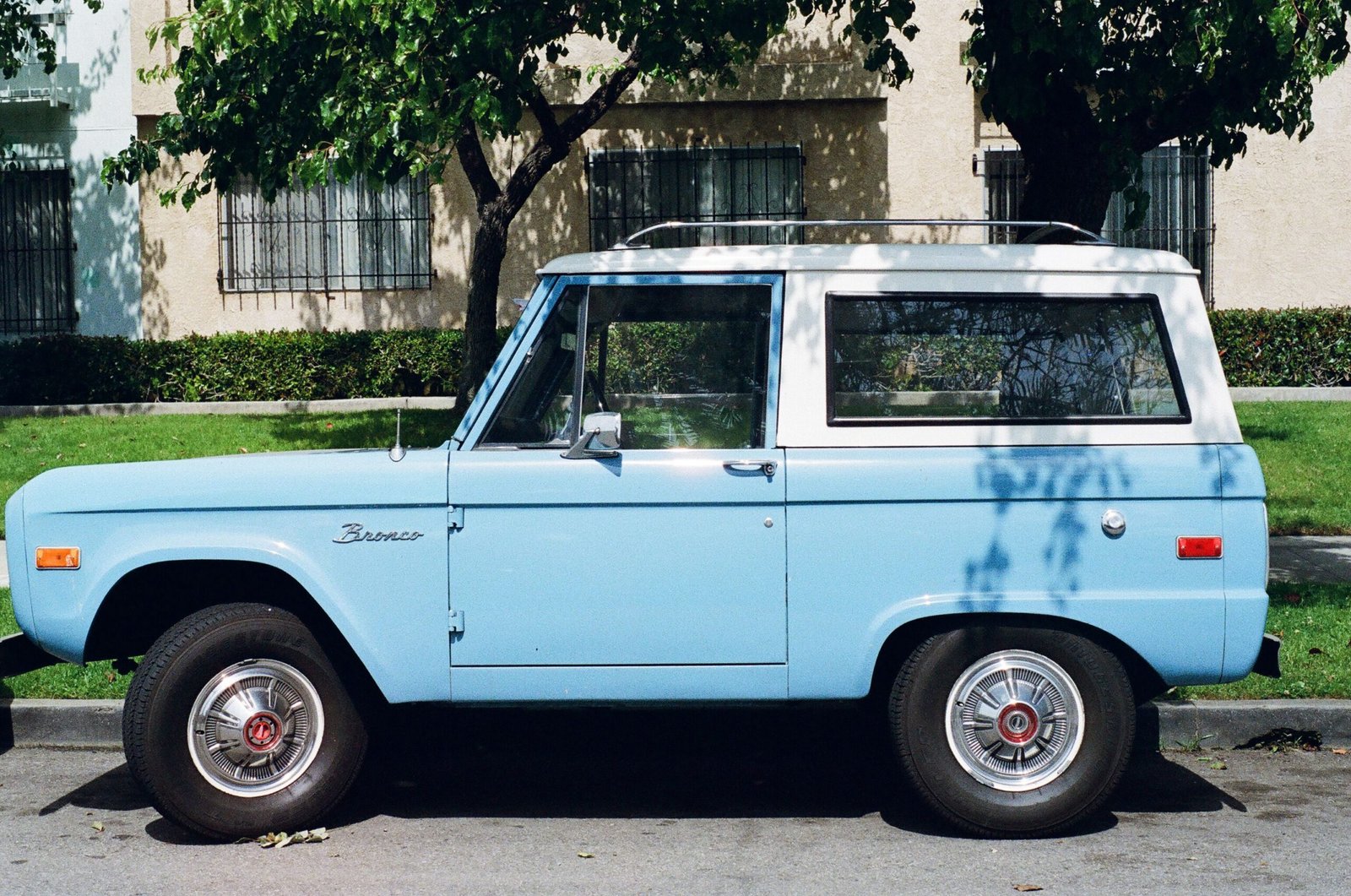
The Bronco with graphics package has become an appealing choice for drivers who want their SUV to look more distinctive without making major mechanical changes. The Ford Bronco already has a recognizable boxy shape, rugged proportions, removable roof and doors on applicable configurations, and an unmistakable off-road personality, but exterior graphics can add another layer of character. Depending on the specific Bronco model, model year, trim, and package being considered, graphics may range from relatively subtle striping to bold designs that emphasize the vehicle’s adventurous image. For buyers researching a Bronco graphics package, it is important to understand that availability, design, colors, and equipment can vary, so the exact vehicle configuration should always be checked before purchasing.

A graphics package can be especially attractive to owners who want something more individual than a completely standard exterior. Graphics can highlight the Bronco’s body lines, visually emphasize its doors and fenders, create a retro-inspired appearance, or give the SUV a more aggressive off-road character. At the same time, choosing graphics is not simply about selecting the most eye-catching design. Owners should consider the Bronco’s paint color, trim level, intended use, climate, cleaning habits, installation quality, and whether they prefer factory-style graphics or an aftermarket customization. Understanding these factors can make it much easier to choose a Bronco that looks great while remaining practical for everyday driving.

What Is a Bronco With Graphics Package?

A Bronco with graphics package generally refers to a Ford Bronco equipped with exterior graphic elements designed to enhance its appearance. These graphics can be offered as part of a particular factory or dealer-installed package, depending on the model year and configuration, or they can be added through aftermarket customization. Graphic packages commonly use decals, stripes, lettering, patterns, or other vinyl elements placed strategically on the vehicle’s exterior. Their purpose is primarily visual, although a well-designed graphic can also reinforce the Bronco’s rugged and recreational identity.

It is important to distinguish between a graphics package and other Bronco appearance features. A graphics package does not necessarily mean the vehicle has a different engine, suspension system, four-wheel-drive hardware, or off-road equipment. Instead, it is generally focused on exterior styling. This makes graphics an interesting option for buyers who appreciate the standard Bronco’s design but want their vehicle to stand apart from similarly configured SUVs. Because Ford has offered numerous Bronco trims and appearance combinations over different model years, prospective buyers should examine the original window sticker or official equipment list to determine exactly what a particular Bronco’s graphics package includes.

Why Are Bronco Graphics So Popular?

One of the main reasons Bronco graphics attract attention is that the vehicle’s design naturally works well with bold exterior styling. The Bronco’s upright body, squared-off proportions, prominent wheel arches, and strong character lines provide large surfaces where graphics can be positioned without overwhelming the overall shape. A carefully selected graphic can make the vehicle appear more customized while still preserving the original design language. For many owners, this is an appealing middle ground between leaving the SUV completely stock and undertaking a much more expensive custom build.

Another reason is personalization. Two Broncos can have the same trim, paint color, wheels, and basic equipment yet look dramatically different when different graphics are applied. A restrained stripe may create a cleaner and more sophisticated appearance, while contrasting side graphics can make the vehicle appear more adventurous and performance-oriented. This flexibility means that graphics appeal to a wide range of owners, from people who want a subtle factory-inspired look to enthusiasts who want their Bronco to become a highly recognizable personal vehicle.

Bronco Graphics Package and Exterior Styling

The right graphics can work with the Bronco’s existing exterior features rather than simply being added to the body without consideration for its design. For example, graphics placed along the side of the vehicle can emphasize its horizontal proportions, while designs around the rear quarter panels can draw attention to the SUV’s distinctive shape. Some owners prefer graphics that follow existing body lines because they create a more integrated appearance, while others deliberately choose contrasting designs that stand out from the factory styling.

Paint color is also an important consideration. A graphic that looks excellent on a dark Bronco may not have the same visual effect on a light-colored model. High-contrast graphics tend to attract more attention, whereas graphics with similar tones can create a more understated appearance. Buyers should therefore look at the complete combination of paint, wheels, roof color, exterior trim, and graphics rather than judging a graphic design separately. The best result is usually a package where every exterior element complements the others.

Factory Graphics vs. Aftermarket Bronco Graphics

When researching a Bronco with graphics package, one of the first questions is whether to choose factory-style graphics or aftermarket graphics. Factory graphics, when offered for a particular Bronco configuration, are designed around the vehicle and may provide the integrated appearance many buyers want. They can be particularly attractive to someone purchasing a new Bronco who wants the customization incorporated into the original configuration rather than arranging modifications after delivery.

Aftermarket graphics provide considerably more freedom. Owners can choose different colors, patterns, sizes, lettering styles, and placement options, allowing them to create an appearance that may not be available through a factory package. Aftermarket vinyl can also make it easier to change the appearance later because many designs can be removed or replaced. However, installation quality matters enormously. Poorly installed vinyl can develop visible edges, bubbles, wrinkles, or premature lifting, especially when the vehicle is regularly exposed to dirt, water, sunlight, or off-road conditions.

Choosing the Right Bronco Graphics Design

Choosing a graphics design should begin with the overall personality you want the Bronco to have. If the goal is a clean factory-inspired appearance, a simple stripe or restrained graphic may be the best option. If the Bronco is being built as an off-road-oriented vehicle, a more substantial graphic design may complement its wheels, tires, bumpers, roof accessories, and other modifications. Retro-inspired graphics can also work particularly well because the Bronco name has a long history and modern designs often incorporate visual references to earlier generations.

It is also worth considering how long you intend to keep the same appearance. A highly distinctive graphic may be exciting when first installed but could become less appealing over several years. A simpler design can be easier to live with and may appeal to more potential buyers if you eventually sell the vehicle. For this reason, the best Bronco graphics package is not necessarily the most elaborate one. It is the design that fits the vehicle, matches the owner’s personality, and remains attractive over time.

Bronco Graphics and Off-Road Use

Many Bronco owners use their vehicles for activities that are harder on exterior surfaces than normal highway driving. Mud, dust, branches, rocks, sand, road salt, and frequent washing can all affect exterior vinyl. If a Bronco with graphics package will regularly be taken off-road, owners should pay particular attention to the material quality and installation method. Graphics installed close to edges or areas that frequently encounter debris may require additional care.

This does not mean graphics are unsuitable for an off-road Bronco. In fact, they can complement an adventure-focused build extremely well. The key is realistic expectations and proper maintenance. Owners should follow the vinyl manufacturer’s cleaning recommendations and avoid aggressive techniques that could damage the graphic material. After off-road trips, gently removing accumulated dirt rather than allowing contaminants to remain on the surface for long periods can help maintain the appearance.

How to Maintain a Bronco With Graphics Package

Maintaining a Bronco with exterior graphics is relatively straightforward when the correct cleaning methods are used. Regular washing helps prevent dirt, road film, and other contaminants from building up around the graphic edges. A gentle automotive wash process is generally preferable to harsh cleaning methods, and owners should pay attention to any instructions supplied by the graphic manufacturer or installer. Aggressive scrubbing around graphic edges can potentially shorten the life of vinyl.

Sun exposure is another consideration. Modern automotive vinyl can be designed for outdoor use, but prolonged exposure to ultraviolet light and extreme environmental conditions can eventually affect its appearance. Parking in a garage or shaded location when practical can reduce environmental exposure. Owners should also inspect the graphics periodically for lifting edges, cracking, discoloration, or other changes. Addressing a small problem early can be easier than waiting until a large section needs replacement.

Does a Graphics Package Affect the Value of a Bronco?

A graphics package can influence how attractive a Bronco is to an individual buyer, but its effect on resale value is not necessarily straightforward. Factory equipment that was originally included with a particular configuration can be viewed differently from aftermarket graphics that reflect the previous owner’s personal taste. Some buyers may love a distinctive graphic design, while others may prefer a completely original exterior and factor the cost of removal into their offer.

If resale flexibility is important, a relatively tasteful and professionally installed graphic may be a safer choice than an extremely personalized design. Owners who install aftermarket graphics should also keep information about the material and installation, particularly if the graphics are professionally applied. Having documentation can help a future buyer understand what was done to the vehicle and how the exterior has been maintained.

How Much Do Bronco Graphics Cost?

The cost of a Bronco graphics package can vary substantially depending on whether the graphics are part of the original vehicle configuration, installed by a dealer, or purchased from an aftermarket supplier. Design complexity, vinyl quality, coverage area, customization, labor, and installation location can all influence the final price. A simple set of stripes will generally require less material and labor than a full-body custom graphic design.

Rather than comparing prices alone, buyers should compare the complete package. A cheaper graphic may not represent good value if the material has limited durability or the installation is poor. Conversely, a professionally designed and installed system can cost more while delivering a better appearance and potentially easier long-term maintenance. For a new Bronco, it is also worth comparing the cost of ordering an available factory or dealer option with having an aftermarket design installed later.

Can You Add Graphics to a Bronco Later?

Yes, graphics can generally be added to a Bronco after purchase, which is one of the biggest advantages of aftermarket customization. This allows owners to drive the vehicle for a while before deciding exactly what appearance they want. It can also be useful for used-Bronco buyers who find the right vehicle mechanically but do not like its original exterior styling.

Before applying graphics, the paint should be clean and properly prepared. The installer should also understand the Bronco’s specific body surfaces and contours so the design can be positioned accurately. Professional installation is particularly valuable for larger graphics because achieving smooth alignment across doors, body panels, and curved surfaces can be difficult without the right tools and experience.

Bronco Graphics Package Ideas for Different Styles

For a classic Bronco look, consider graphics that use simple stripes, vintage-inspired lettering, or understated contrasting colors. This approach can complement the vehicle’s heritage without making the exterior look excessively busy. For a rugged off-road look, larger side graphics, contrasting panels, and adventure-inspired designs can work well with larger tires, wheels, roof equipment, and other off-road accessories. For a modern minimalist look, thin lines and subtle tonal graphics can provide personalization without dominating the bodywork.

Owners interested in a more aggressive appearance can combine graphics with complementary exterior modifications, but balance is important. If the Bronco already has distinctive wheels, lighting, bumpers, roof accessories, and other visual upgrades, adding an extremely complicated graphic may create too many competing elements. Sometimes a relatively simple graphic is more effective because it gives the rest of the vehicle room to stand out.

Common Mistakes When Choosing Bronco Graphics

One common mistake is choosing a design based only on a small digital image without considering how it will appear across the entire vehicle. The Bronco’s doors, body contours, handles, fender shapes, and panel gaps can all affect the final appearance. A design that looks impressive in a flat illustration may look completely different once applied to the actual SUV. Whenever possible, buyers should review full-vehicle examples or realistic mockups before committing to a design.

Another mistake is focusing entirely on the initial purchase price. The quality of the vinyl, preparation, installation, and aftercare can make a substantial difference to the final result. A poorly installed graphic can detract from an otherwise excellent Bronco, while a well-designed and professionally installed graphic can make the vehicle look significantly more refined. Buyers should therefore evaluate the installer and material quality alongside the design itself.

Frequently Asked Questions About the Bronco With Graphics Package

What is a Bronco graphics package?

A Bronco graphics package is an exterior styling option involving graphic elements such as stripes, decals, lettering, or other vinyl designs. Depending on the model year and configuration, graphics may be available as a factory, dealer, or aftermarket option.

Can I add graphics to my Bronco after buying it?

Yes. Aftermarket graphics can generally be installed after purchasing a Bronco. This gives owners the freedom to choose a design, color combination, and coverage level that fits their preferences.

Are Bronco graphics removable?

Many automotive vinyl graphics are removable, although the process should be handled carefully. The condition of the underlying paint, the age and quality of the vinyl, environmental exposure, and installation method can all influence how easily graphics can be removed.

Do Bronco graphics damage the paint?

Properly selected and professionally installed automotive vinyl should generally be designed for application to automotive paint. However, the condition of the paint, installation quality, removal technique, and environmental exposure can affect the underlying finish.

Are factory Bronco graphics better than aftermarket graphics?

Neither option is automatically better for every owner. Factory graphics can provide an integrated appearance and original-equipment configuration, while aftermarket graphics offer greater freedom in design and personalization. The best choice depends on the vehicle, budget, and desired appearance.

Can I customize the color of Bronco graphics?

Aftermarket graphics usually provide considerably more color and design flexibility than factory options. Custom installers can often create combinations tailored to a particular Bronco’s paint color and overall styling.

Are graphics suitable for an off-road Bronco?

Yes. Graphics can be used on an off-road Bronco, but owners should select appropriate materials and maintain them carefully because mud, dirt, branches, sunlight, and frequent washing can place additional demands on exterior vinyl.

How long do Bronco graphics last?

The lifespan depends on the material, installation, exposure to sunlight and weather, cleaning practices, and overall use. High-quality automotive vinyl that is properly installed and maintained can provide long-term exterior styling, but no graphic material remains unchanged indefinitely.

Should I buy a Bronco with a graphics package or add graphics later?

This depends on your priorities. Buying a Bronco already equipped with the desired graphics can be convenient, while adding graphics later gives you more opportunity to choose a custom design. If buying used, evaluate the quality and condition of the existing graphics as carefully as you would the rest of the exterior.

Conclusion

A Bronco with graphics package can be an excellent choice for drivers who want to give their SUV a more distinctive appearance while retaining the vehicle’s original character. Graphics can range from subtle factory-style accents to bold custom designs, making them one of the easier ways to personalize the Bronco without undertaking extensive mechanical modifications. The ideal choice depends on the specific Bronco trim and model year, the available factory options, the owner’s preferred style, and whether the vehicle will primarily be used for daily driving, outdoor recreation, or serious off-road adventures.

Before choosing a graphics package, consider the entire vehicle rather than the graphic alone. Paint color, wheels, tires, roof configuration, exterior accessories, intended use, maintenance requirements, installation quality, and long-term ownership plans can all influence whether a particular design is the right fit. Whether you choose a factory-equipped Bronco graphics package or add professionally installed aftermarket graphics later, thoughtful selection can transform an already distinctive SUV into a vehicle that feels much more personal and unique.

Continue Reading

Blog

Jaguar Coupe: A Complete Guide to Design, Performance, Features, and Buying Tips

Published

on

Jaguar Coupe

The Jaguar coupe has long represented an appealing combination of British luxury, distinctive styling, strong performance, and an engaging driving experience. Unlike a conventional sedan or SUV, a coupe places greater emphasis on design and driver-focused character, and Jaguar has historically used the body style to create cars that look dramatic while still offering the refinement expected from a premium automobile. For shoppers searching for a Jaguar coupe today, the market can include different generations and models, particularly on the used-car market, making it important to understand the differences in styling, engines, technology, practicality, maintenance, and ownership costs before choosing a particular vehicle.

A Jaguar coupe can appeal to several different types of drivers. Some buyers are attracted primarily by the exterior design and elegant proportions, while others want the performance and handling associated with a sports car. There are also buyers who want a premium grand-tourer capable of combining long-distance comfort with responsive performance. Jaguar has produced coupes with different personalities over the years, so the phrase Jaguar coupe does not describe just one specification or driving experience. Understanding the model, generation, engine, equipment level, service history, and condition is therefore essential when evaluating one.

What Is a Jaguar Coupe?

A Jaguar coupe is generally a two-door Jaguar passenger car designed around a combination of luxury, style, and performance. The traditional coupe silhouette features a lower roofline, longer doors, a more sculpted body, and a sportier overall appearance than a typical four-door sedan. These characteristics give a Jaguar coupe a distinctive road presence and help differentiate it from the brand’s larger family-oriented vehicles.

One of the most recognizable modern examples is the Jaguar F-Type, which was offered as a sports car with both coupe and convertible body styles. Earlier Jaguar history also includes notable two-door cars such as the XK, a grand-touring coupe that combined a luxurious cabin with powerful engines and a long-distance-oriented character. Because Jaguar has changed its model lineup over time, someone searching for a Jaguar coupe may be considering a new vehicle, a recent used model, or a much older classic. That distinction matters because specifications, technology, reliability considerations, and ownership costs can vary substantially between generations.

Jaguar Coupe Design and Styling

Design is one of the strongest reasons people consider a Jaguar coupe. Jaguar’s coupe designs have traditionally focused on elegant proportions rather than simply making a sedan shorter and adding two doors. Long hoods, relatively low rooflines, carefully shaped body surfaces, and a wide stance can give these cars a dramatic appearance from almost every angle. This emphasis on visual character is particularly important in the luxury segment because buyers often expect their vehicle to provide an emotional experience as well as transportation.

The exterior appearance can vary considerably depending on the model and model year. A modern Jaguar F-Type, for example, has a more aggressive sports-car character, with a low body and pronounced performance-oriented proportions. Older Jaguar coupes such as the XK generally emphasize grand-touring elegance, making them attractive to drivers who prefer a combination of luxury and performance rather than an uncompromising sports-car experience. When shopping for a used Jaguar coupe, buyers should therefore consider whether they prefer a classic elegant design, a modern performance-oriented appearance, or something between the two.

Jaguar Coupe Performance

Performance is another major attraction of the Jaguar coupe. Depending on the model and engine, Jaguar has offered coupes with different power outputs and drivetrain configurations, allowing the cars to occupy different positions between luxury grand tourers and dedicated sports cars. Some versions prioritize smooth and effortless acceleration, while higher-performance variants place greater emphasis on rapid response, stronger braking, and sharper handling.

The driving experience is influenced by far more than engine power alone. Suspension tuning, steering response, transmission calibration, tire selection, vehicle weight, and drivetrain layout all contribute to how a Jaguar coupe feels on the road. A well-maintained Jaguar can provide a combination of strong acceleration and composed handling that makes it enjoyable on winding roads while remaining comfortable during everyday driving. Buyers should also remember that higher-performance versions can have greater running costs, particularly when it comes to tires, brakes, fuel consumption, and specialized maintenance.

Jaguar Coupe Interior and Comfort

Inside the cabin, a Jaguar coupe typically emphasizes premium materials, driver-focused controls, supportive seating, and a sophisticated atmosphere. Because a coupe has a more compact body structure than a large sedan or SUV, rear-seat space can be limited or, depending on the model, unavailable altogether. This is an important consideration for buyers who regularly carry passengers.

The front seats are generally the most important part of the interior experience. A well-equipped Jaguar coupe can provide comfortable seating, quality upholstery, advanced climate controls, premium audio equipment, and modern infotainment features depending on the model year and trim. Older vehicles may have technology that feels dated compared with current cars, but they can still offer attractive materials and a distinctive cabin design. When evaluating a used example, buyers should inspect the condition of the leather, dashboard, switches, infotainment system, air-conditioning system, and electrical equipment rather than assuming that every example will have identical equipment.

Jaguar Coupe Technology and Features

Technology varies significantly between Jaguar coupe generations. Newer models generally offer more advanced infotainment systems, smartphone connectivity, digital displays, navigation, parking assistance, cameras, and driver-assistance technologies than older vehicles. However, equipment can also differ according to trim level and optional packages.

For used-car shoppers, the actual equipment installed in a particular vehicle is more important than simply knowing the model name. Two Jaguar coupes from the same year can have noticeably different specifications if one was equipped with additional options. Buyers should check the original equipment list, inspect the infotainment system, test the available driver-assistance features, and confirm that important electronic functions operate correctly. Technology can be expensive to repair when faults develop, so a detailed inspection before purchase is worthwhile.

Jaguar Coupe Reliability and Maintenance

Reliability is an important consideration when researching a Jaguar coupe, especially when buying a used example. Luxury performance cars can have more complex mechanical and electronic systems than ordinary vehicles, and repair costs can be higher when specialized components or specialist labor are required. This does not mean every Jaguar coupe will experience major problems, but it does mean that maintenance history should be treated as an important part of the purchasing decision.

A used Jaguar coupe with documented servicing, regular oil changes, properly maintained cooling systems, healthy brakes and suspension components, and a clean ownership history can be a very different proposition from an example that has been neglected. Prospective buyers should review service records and arrange an independent pre-purchase inspection with a technician familiar with Jaguar vehicles. Checking for warning lights, fluid leaks, unusual noises, transmission behavior, suspension problems, electrical faults, and evidence of previous accident repairs can help identify potential expenses before completing a purchase.

Jaguar Coupe Fuel Economy and Everyday Usability

Fuel economy is usually not the primary reason someone purchases a Jaguar coupe. Performance-oriented engines can consume more fuel than smaller engines found in ordinary commuter cars, particularly when driven aggressively. Actual consumption depends on the engine, transmission, drivetrain, traffic conditions, driving style, and vehicle condition.

Everyday usability also depends heavily on the particular model. A coupe can be enjoyable for commuting and weekend driving, but limited rear-seat capacity and cargo space may make it less practical than a sedan or SUV. On the other hand, drivers who usually travel alone or with one passenger may find the coupe layout perfectly adequate. The right choice ultimately depends on whether styling, driving enjoyment, and luxury are more important to the buyer than maximum passenger and cargo capacity.

Buying a Used Jaguar Coupe

For many shoppers, the used market provides the widest selection of Jaguar coupes. However, buying a used luxury performance vehicle requires more research than simply comparing the advertised price. The vehicle’s age, mileage, service history, ownership history, accident record, specification, tire condition, brakes, suspension, electronics, and overall maintenance should all be considered.

A thorough inspection is particularly important because a low purchase price does not necessarily mean low ownership costs. A neglected luxury coupe can require significant expenditure shortly after purchase, while a properly maintained example may provide a much more predictable ownership experience. Buyers should also obtain insurance and maintenance estimates before purchasing, particularly if they are considering a higher-performance version.

Jaguar Coupe Price and Value

The price of a Jaguar coupe can vary dramatically depending on the model, year, engine, mileage, condition, location, specification, and market demand. A newer performance-oriented model can command a substantially different price from an older used coupe. Classic or particularly desirable examples can also have values that differ from ordinary used vehicles.

Rather than focusing only on the purchase price, prospective owners should calculate the total cost of ownership. This can include insurance, fuel, scheduled maintenance, tires, brakes, repairs, registration, taxes, and depreciation. Comparing several vehicles with similar mileage and condition can provide a more realistic picture of market value. A professional inspection is also worthwhile because mechanical problems can have a major effect on the real value of an older luxury coupe.

Jaguar Coupe vs. Sedan or SUV

Choosing a Jaguar coupe instead of a sedan or SUV largely comes down to priorities. A coupe generally offers stronger visual appeal and a more focused driving character, while a sedan can provide easier access and additional passenger space. An SUV usually provides greater cargo capacity, higher seating, and increased practicality for families and everyday utility.

For drivers who rarely need to transport several passengers or large amounts of cargo, the compromises of a coupe may be relatively minor. The low seating position, distinctive styling, and two-door configuration can make ordinary journeys feel more special. However, anyone who frequently carries children, luggage, or several passengers should carefully consider whether the coupe’s practicality meets their requirements.

Is a Jaguar Coupe a Good Choice?

Whether a Jaguar coupe is suitable depends on what the buyer wants from a vehicle. Someone searching for maximum practicality may prefer a sedan or SUV, while a driver who values distinctive design, premium materials, performance, and a more specialized driving experience may find a Jaguar coupe appealing. The model year and individual vehicle condition are particularly important when buying used.

The best approach is to research the exact Jaguar coupe being considered rather than judging every model under the same category. Check the engine, transmission, equipment, service records, reliability history, replacement-part costs, insurance, and inspection results. Taking a test drive can also reveal whether the seating position, visibility, steering, ride quality, and performance characteristics suit your preferences.

Tips for Choosing the Right Jaguar Coupe

Start by deciding what type of driving experience you want. If relaxed long-distance cruising is the priority, a grand-touring-oriented Jaguar may make more sense than a highly focused performance model. If handling and acceleration are more important, a sports-oriented version may be more appropriate. After deciding on the character you want, establish a realistic budget that includes ownership expenses rather than only the purchase price.

Next, compare specific vehicles based on condition and maintenance history. Mileage is useful, but it should not be considered in isolation. A higher-mileage Jaguar with comprehensive service records can potentially be a more informed purchase than a lower-mileage vehicle with an unclear history. Inspect the tires, brakes, suspension, engine bay, interior electronics, bodywork, and underbody, and arrange a professional inspection before committing to the purchase.

Conclusion

The Jaguar coupe remains an attractive choice for drivers who want something more distinctive than an ordinary luxury car. Its combination of dramatic styling, premium cabin design, performance-focused engineering, and British character gives it a personality that can be difficult to replicate with a conventional sedan or SUV. Jaguar’s history of producing both elegant grand-tourers and more aggressive sports coupes also means that buyers have different types of vehicles to consider depending on their priorities.

If you are researching a Jaguar coupe for purchase, focus on the exact model and year rather than relying only on the Jaguar badge. Study its engine and transmission, examine its features, research maintenance requirements, check the service history, and have a used example professionally inspected. With careful research, buyers can better understand what they are getting and choose a Jaguar coupe that matches their driving preferences, budget, and expectations for luxury and performance.

Frequently Asked Questions About Jaguar Coupe

What is a Jaguar coupe?

A Jaguar coupe is generally a two-door Jaguar designed around luxury, distinctive styling, and performance. Jaguar has produced several coupe models and generations, so specifications and characteristics vary according to the vehicle’s model year and version.

What Jaguar models are available as coupes?

Jaguar has produced several notable coupe models over the years, including the XK and F-Type. Availability depends on the model year and market, so buyers should verify the specific vehicle’s production history and local availability.

Is the Jaguar F-Type a coupe?

Yes. The Jaguar F-Type has been offered in a coupe body style as well as a convertible configuration, depending on the model year and market.

Is a Jaguar coupe expensive to maintain?

Maintenance costs can be higher than those of a typical mainstream vehicle because Jaguar coupes are premium performance-oriented cars. Costs vary significantly by model, age, condition, engine, location, parts availability, and service requirements.

Is a used Jaguar coupe worth considering?

A used Jaguar coupe can be worth considering for buyers who prioritize luxury, styling, and driving enjoyment. The condition and service history of the individual vehicle are particularly important, so a professional inspection is recommended before purchase.

Does a Jaguar coupe have good performance?

Many Jaguar coupes have been designed with performance in mind, but acceleration and handling vary considerably between models, engines, and trims. Buyers should compare the specifications of the exact version they are considering.

Is a Jaguar coupe practical for everyday driving?

It can be, particularly for individuals or couples who do not need substantial passenger or cargo space. However, buyers who regularly carry several passengers or large amounts of luggage may find a sedan or SUV more practical.

What should I check before buying a used Jaguar coupe?

Check the service history, engine, transmission, brakes, tires, suspension, electrical systems, infotainment, air conditioning, bodywork, and signs of accident damage. A pre-purchase inspection by a qualified Jaguar technician can help identify potential problems before buying.

What is the main appeal of a Jaguar coupe?

The main appeal is the combination of distinctive design, luxury, performance, and a more specialized two-door driving experience. Jaguar coupes can offer an alternative to more conventional luxury cars for drivers who place a high value on styling and character.

Continue Reading

News

Isha Kriya Meditation: Benefits, Instructions, and a Beginner’s Guide

Published

on

Isha Kriya Meditation

In a world filled with constant notifications, busy schedules, personal responsibilities, and an endless stream of information, finding a few quiet moments for yourself can become surprisingly difficult. Many people explore meditation as a way to develop greater awareness, create space for reflection, and establish a more intentional daily routine. One practice that has attracted interest among people exploring yoga and meditation is Isha Kriya, a guided meditation created by Sadhguru and offered through Isha Foundation. The practice draws on the yogic tradition and is designed to be accessible to people who want to explore meditation without needing to begin with complicated physical postures. Its structured approach combines awareness of breathing, mental repetition of specific phrases, vocalization of a sound, and a period of quiet sitting.

This comprehensive guide explains what Isha Kriya meditation is, what its name means, how the practice is structured, and what beginners should understand before incorporating it into their routine. You will also learn about its intended benefits, the importance of following the instructions, and the questions that frequently arise when someone first discovers this meditation. Whether you have encountered Isha Kriya through a guided video, a discussion about Sadhguru, or a general search for meditation techniques, this article will help you understand the practice and find the official learning resources.

What Is Isha Kriya Meditation?

Isha Kriya is a guided meditation created by Sadhguru and rooted in the yogic sciences. According to Isha Foundation, the practice is intended to help people become more conscious of their relationship with the body and mind and to explore a deeper sense of self-awareness. Unlike yoga routines that focus primarily on physical postures, Isha Kriya is structured around sitting, breathing naturally, mentally repeating prescribed phrases, making a particular vocal sound, and remaining quietly attentive. The organization presents it as an accessible practice that can be learned through guided instructions and incorporated into everyday life.

One reason Isha Kriya attracts beginners is that it does not require an elaborate meditation space or a demanding physical workout. The essential activity takes place while sitting, and the guided format helps practitioners understand the sequence rather than having to invent their own meditation method. Isha Foundation provides online resources, including an instructional video and written guidance, so that people can become familiar with the practice at home. Its official materials describe a session lasting approximately 12 to 18 minutes, making it a relatively short activity that can be scheduled around other daily responsibilities.

The Meaning and Purpose of Isha Kriya

The name Isha Kriya has a particular meaning within the spiritual framework in which the practice was developed. Isha Foundation explains that “Isha” refers to that which is the source of creation, while “kriya” means an inward or internal action. The name therefore reflects the practice’s emphasis on turning attention inward rather than concentrating exclusively on external circumstances. Its stated purpose is to help an individual get in touch with the source of their existence and approach life with greater awareness of their own experience. These explanations belong to the tradition’s spiritual understanding of the practice rather than being a scientific definition of consciousness.

A central element of Isha Kriya is the mental repetition of the phrases “I am not the body” and “I am not even the mind.” Within the meditation, these phrases are intended to encourage practitioners to explore a distinction between themselves and the physical or mental experiences they notice. The practice does not require a person to argue with their thoughts or force their mind to become completely blank. Instead, the instructions direct attention toward the process itself, allowing the phrases and breathing to provide a consistent point of focus. Understanding this intention can help beginners approach the meditation as a structured contemplative exercise rather than as a test of whether they can eliminate every thought.

Potential Benefits of Isha Kriya Meditation

Isha Foundation describes Isha Kriya as a practice intended to support clarity, focus, peace, wellbeing, and a more conscious relationship with one’s body and mind. The organization also presents it as a tool that may help people navigate the pressures of modern life. These are the intended benefits described by the provider, and individual experiences can differ. Meditation should not be treated as a guaranteed solution to emotional difficulties, a substitute for professional healthcare, or a promise that every practitioner will experience the same results.

1. Greater awareness of thoughts and sensations

The meditation’s repeated phrases invite practitioners to observe their experience from a different perspective. Rather than immediately reacting to every thought or physical sensation, a person can use the structure of the practice to return their attention to the meditation. For some practitioners, this kind of deliberate attention may become a useful opportunity for reflection and greater awareness of habitual reactions. The spiritual interpretation of this process is specific to Isha Kriya, so it is useful to distinguish the practice’s intended purpose from a guarantee of a particular psychological outcome.

2. A dedicated period of quiet

Setting aside time for a meditation session can create a regular opportunity to step away from screens, conversations, and everyday tasks. Isha Kriya provides a defined sequence that gives this period a beginning, a middle, and an end. People who enjoy a consistent routine may appreciate having a specific activity to return to each day, especially when their schedules are otherwise unpredictable. The value of this time can depend on the individual, their circumstances, and how they experience the practice.

3. A structured approach to meditation

Beginners sometimes find meditation difficult because they are unsure what to do when they sit down. Isha Kriya addresses this challenge through a sequence of breathing awareness, mental phrases, vocalization, and quiet sitting. The guided format can make it easier to follow the process without having to design a meditation routine from scratch. For someone exploring different approaches, this structure offers a clear way to become familiar with a particular yogic practice.

4. An opportunity to explore spiritual reflection

For people interested in yogic philosophy, Isha Kriya offers a practice centered on questions of identity and the relationship between the self, body, and mind. Its phrases provide a focus for contemplation, while the quiet sitting stage allows time to remain with the experience. Practitioners may interpret this process through their own spiritual or philosophical perspectives. It is not necessary to claim a particular belief or promise a dramatic experience in order to explain what the meditation is designed to explore.

How to Practice Isha Kriya Meditation

The following overview summarizes the sequence described in Isha Foundation’s published English instructions. Because Isha Kriya is a specific guided practice, beginners should consult the official instructional video or written instructions and follow the complete guidance rather than treating this summary as a replacement for the original teaching.

The Art of Sitting for Mindful Meditation

Stage 1: Breathing and mental phrases

7–11 minutes

Sit comfortably with your spine erect, close your eyes, and breathe gently. Mentally repeat the prescribed phrases in coordination with inhalation and exhalation.

요가 vs 필라테스, 같은 듯 다른 두 운동의 비밀 - 브랜드경제신문

Stage 2: The “Aa” sound

7 repetitions

Make the long “Aa” sound as described in the official instructions, exhaling into each repetition.

Eine Einführung ins Meditieren | BLACKROLL

Stage 3: Quiet sitting

5–6 minutes

Remain seated quietly with your face slightly upturned and a mild focus between the eyebrows, following the prescribed instructions.

The timings and sequence are taken from the published English Isha Kriya instructions.

Preparing for your session

Choose a place where you can sit without unnecessary interruptions for the duration of the meditation. You do not need a specially decorated room, expensive equipment, or an elaborate collection of accessories. A quiet corner of your home may be sufficient, provided you can sit comfortably and pay attention to the guided instructions. Wear clothing that does not restrict your breathing or make it difficult to remain seated, and allow yourself enough time to complete the practice without rushing into another task. The official instructions describe sitting cross-legged, with the spine comfortably erect, hands resting on the thighs and palms facing upward, and the face slightly upturned.

Stage 1: Breathing with awareness

The first stage involves breathing gently and slowly while mentally repeating the phrases specified in the practice. During inhalation, the practitioner mentally says, “I am not the body.” During exhalation, the practitioner mentally says, “I am not even the mind.” The instructions indicate that each phrase should extend over the corresponding breath, and this stage continues for approximately seven to eleven minutes. Beginners should avoid turning the exercise into a competition to breathe as deeply or as slowly as possible; the published guidance emphasizes gentle breathing and following the prescribed process.

Stage 2: Making the “Aa” sound

In the second stage, the practitioner makes a long “Aa” sound, with the vowel pronounced as in the word “father.” The official instructions say to make the sound seven times, exhaling fully into each repetition, and describe the sound as originating just below the navel. The purpose of this element is explained within the yogic framework of the practice. It is therefore best to approach it as a specific part of the guided meditation, following the official demonstration instead of substituting a different chant or changing the number of repetitions.

Stage 3: Remaining quietly seated

The final stage is a period of quiet sitting lasting approximately five to six minutes. Practitioners are instructed to keep the face slightly upturned and maintain a mild focus between the eyebrows. This portion gives the session a quiet ending after the breathing and vocalization stages. The instructions also advise practitioners not to become preoccupied with the activity of the body or mind during the sitting period. For a beginner, the practical emphasis is on following the guidance and completing the session without unnecessarily interrupting its sequence.

Isha Kriya for Beginners: Tips for Building a Routine

Starting a meditation practice does not have to involve making dramatic changes to your daily schedule. If you are new to Isha Kriya, begin by becoming familiar with the official instructions and setting aside a period when you are unlikely to be interrupted. Choose a comfortable sitting position that allows you to follow the guidance, and approach the session with patience rather than expecting a particular feeling or experience. Some sessions may feel quiet and straightforward, while others may involve noticing distractions, restlessness, or ordinary thoughts. These experiences do not need to become a reason to judge yourself; the purpose of a beginner’s routine is to learn the process and become familiar with its structure.

How often should you practice Isha Kriya?

Isha Foundation’s published instructions describe a recommended schedule of practicing twice daily for 48 days, or once daily for 90 days. The organization refers to the 48-day period as a mandala or cycle. These schedules are recommendations within the Isha Kriya teaching, rather than a universal requirement for everyone who meditates. The same instructions acknowledge that people may practice as often as possible if they cannot maintain the suggested schedule. If you decide to follow a particular routine, make sure it fits your circumstances and that you understand the full official instructions.

Can you practice Isha Kriya at home?

Yes. Isha Foundation provides online learning resources for people who want to learn the meditation at home. Its materials include guided instruction and downloadable written guidance, allowing practitioners to become familiar with the sequence without necessarily attending an in-person session. Following the official material is particularly useful when you are starting out because Isha Kriya includes specific phrases, timing, posture guidance, and a prescribed vocalization. If you are uncertain about any part of the process, return to the official instructions rather than relying on an incomplete description or making up your own version.

Common Beginner Questions and Practical Considerations

Do you need previous meditation experience?

Isha Foundation presents Isha Kriya as an accessible guided practice, and its online materials are intended to help people learn the process. The organization states that people aged 12 and above can practice it. This makes the official resources a useful starting point for people who want to understand the meditation before deciding whether to establish a regular routine.

Do you need to sit on the floor?

The published instructions describe a cross-legged sitting posture, but Isha Foundation’s FAQ says that a person who cannot sit cross-legged may use a chair or bench. It also provides guidance about positioning the legs and maintaining a comfortable, upright posture. Anyone who finds the prescribed position difficult should consult the official guidance for the appropriate modification instead of forcing themselves into a painful position.

Should you expect immediate results?

It is better to approach meditation without assuming that a particular sensation, emotional response, or dramatic experience must occur. Isha Foundation describes various intended benefits, but the experience of a meditation session can vary from person to person. A calm session is not the only possible experience, and noticing thoughts or distractions does not automatically mean you have failed. Focus on learning the method correctly and consider your experience over time without treating meditation as a guaranteed cure for a health condition.

Frequently Asked Questions About Isha Kriya

1. What is Isha Kriya meditation?

Isha Kriya is a guided meditation created by Sadhguru and rooted in the yogic sciences. It combines breathing awareness, mental repetition of specific phrases, the “Aa” sound, and a period of quiet sitting.

2. What does the name Isha Kriya mean?

According to Isha Foundation, “Isha” refers to the source of creation, while “kriya” means an inward or internal action. The name reflects the meditation’s emphasis on inner exploration.

3. How long does Isha Kriya meditation take?

The meditation itself takes approximately 12 to 18 minutes, according to the published instructions. The complete learning video or introductory material may take longer.

4. What are the benefits of Isha Kriya?

Isha Foundation describes potential benefits that include greater clarity, focus, peace, energy, and wellbeing. These are the benefits promoted by the organization, and individual experiences may vary.

5. Can beginners practice Isha Kriya?

Yes. Isha Foundation offers guided learning resources intended to make the practice accessible to beginners. Its materials state that the practice is available to people aged 12 and above.

6. Can I practice Isha Kriya at home?

Yes. The meditation is available through official online guided resources and written instructions, making it possible to learn and practice at home.

7. How often should I practice Isha Kriya?

The published instructions recommend twice daily for 48 days or once daily for 90 days. These are the schedules provided by Isha Foundation for this practice.

8. Do I need to sit cross-legged?

The instructions describe a cross-legged posture, but Isha Foundation says a chair or bench can be used if sitting cross-legged is not possible. Follow the official posture guidance for any modifications.

9. Do I need to meditate on an empty stomach?

According to Isha Foundation’s FAQ, an empty stomach is not required. However, the organization suggests leaving some time after a full meal because you may feel sleepy.

10. Where can I find the official Isha Kriya meditation?

You can access the guided meditation and learning instructions through the official Isha Foundation and Sadhguru websites.

Conclusion

Isha Kriya is a guided meditation created by Sadhguru that introduces practitioners to a structured process involving breathing, mental phrases, vocalization, and quiet sitting. Its emphasis on inner awareness and the relationship between the body and mind makes it a subject of interest for people exploring yogic practices, spiritual reflection, and meditation for beginners. With a session lasting approximately 12 to 18 minutes, it offers a defined routine that can be learned through the official online resources and practiced at home.

For anyone interested in exploring Isha Kriya, the most useful starting point is to understand its purpose, learn the complete instructions, and approach the practice with patience and realistic expectations. Rather than judging a session by whether it produces an immediate result, focus on becoming familiar with the prescribed sequence and observing your own experience. The meditation’s spiritual meaning and intended benefits are best understood in the context of the tradition from which it comes, while personal experiences should be recognized as individual rather than universal. Learning from the official materials can help you understand the practice accurately and decide how it fits into your own routine.

Continue Reading

Blog

Sabian Symbols: Complete Guide to Their Meaning, History, and Astrology

Published

on

Sabian Symbols

Sabian Symbols are a collection of 360 symbolic images associated with the individual degrees of the zodiac. They are used by some astrologers as an additional interpretive layer when examining a birth chart, planetary placement, or important astrological transit. Rather than treating a zodiac degree simply as a number, Sabian Symbol astrology gives each degree a visual or metaphorical image that can encourage a more imaginative interpretation of the chart. For people who enjoy symbolic astrology, this system can provide another way of thinking about personality, experiences, relationships, personal development, and significant life themes. The symbols are especially interesting because many of them describe ordinary scenes, people, objects, or situations that can be interpreted on several levels.

The modern Sabian Symbols originated in the early twentieth century through the collaboration of astrologer Marc Edmund Jones and Elsie Wheeler. In 1925, Jones worked with Wheeler in San Diego, California, where Wheeler reportedly supplied symbolic images for the 360 degrees of the zodiac. These images were subsequently organized and developed into what became known as the Sabian Symbols. Over time, astrologers have used the symbols in different ways, and there is no single universally accepted method for interpreting them. Some practitioners use them to add psychological or spiritual symbolism to natal charts, while others approach them more creatively as prompts for reflection rather than as fixed predictions about events.

What Are Sabian Symbols?

At their simplest, Sabian Symbols are 360 symbolic descriptions corresponding to the 360 degrees of the zodiac. The zodiac is divided into twelve signs, with each sign containing 30 degrees. Because the complete zodiac contains 360 degrees, each degree can be associated with a particular symbolic image. For example, an astrologer examining a planet positioned at a particular degree may consult the corresponding Sabian Symbol and consider how the image relates to the planet, zodiac sign, house, and other chart factors.

The important point is that Sabian Symbols are not another set of zodiac signs. They do not replace Aries, Taurus, Gemini, Cancer, Leo, Virgo, Libra, Scorpio, Sagittarius, Capricorn, Aquarius, or Pisces. Instead, they add another symbolic dimension to the existing zodiac framework. A birth chart may tell an astrologer that a particular planet occupies a certain zodiac sign and degree, while the corresponding Sabian Symbol provides an additional metaphor that the astrologer can contemplate. This makes the system particularly attractive to people who enjoy combining traditional astrological structure with imagery, storytelling, psychology, and symbolism.

The History of Sabian Symbols

The history of Sabian Symbols is closely associated with Marc Edmund Jones, an American astrologer and writer, and Elsie Wheeler, who participated in the original symbolic-degree experiment. Jones was interested in developing a system of symbolic images that could be connected with the individual degrees of the zodiac. Wheeler was involved because Jones believed she had an unusual ability to perceive symbolic images. Their work together produced the set of 360 images that later became known as the Sabian Symbols.

The name “Sabian” has generated considerable discussion because the historical Sabians were associated with a religious community in the Middle East, while the modern astrological system was developed in the United States in the twentieth century. The name was adopted by Jones in connection with his broader ideas about symbolic and esoteric traditions. Readers should therefore distinguish between the historical Sabian religious tradition and the modern astrological Sabian Symbols system. They are not simply two names for the same thing. In contemporary astrology, “Sabian Symbols” generally refers to the 360-degree symbolic system developed through Jones and Wheeler’s work.

How Sabian Symbols Work

Understanding the basic structure of Sabian Symbols is relatively straightforward. Imagine that an astrologer has calculated a natal chart and discovers that a planet is located at a particular degree of the zodiac. That degree is then matched with its corresponding symbolic image. The astrologer considers the image alongside the meaning of the planet, the sign in which it appears, the house it occupies, and its relationships with other planets.

For example, Mercury traditionally relates to communication, learning, reasoning, language, and information. If Mercury is connected with a particular Sabian Symbol, the astrologer might consider whether the imagery offers an interesting metaphor for the person’s communication style or intellectual interests. Venus, by contrast, is commonly associated with relationships, attraction, aesthetics, values, and pleasure, so the same symbolic image might be interpreted through themes involving affection, social interaction, creativity, or personal values. The symbol itself does not automatically produce one fixed meaning. Its interpretation depends heavily on the surrounding chart.

The 360 Degrees and the Zodiac

The zodiac contains 360 degrees, and each of the twelve zodiac signs contains 30 degrees. This creates the foundation for the Sabian Symbols system. The first 30 degrees correspond to Aries, the next 30 to Taurus, and so on until the final 30 degrees of Pisces complete the zodiac circle.

One detail that often causes confusion is the difference between astrological degree notation and the numbering used when looking up Sabian Symbols. If a chart shows a planet at 10° Aries, for instance, an astrologer needs to know which numbering convention the particular Sabian Symbols reference uses. Some systems effectively treat the degree as belonging to the next whole-number degree when converting chart positions into symbols. Because different books and websites may explain the conversion differently, it is important to use one consistent method rather than mixing systems. This small technical detail can change which symbolic image is consulted.

Sabian Symbols and Birth Charts

One of the most common applications of Sabian Symbols is the interpretation of natal or birth charts. A birth chart represents the positions of celestial bodies at a particular moment and location, while Sabian Symbols can add symbolic imagery to selected degrees within that chart. Astrologers may examine the degrees occupied by the Sun, Moon, Ascendant, Midheaven, planets, or particularly important chart points.

The Sun’s Sabian Symbol, for example, may be considered as an additional metaphor for themes surrounding identity, self-expression, purpose, or vitality. The Moon’s symbol may be explored in connection with emotional patterns, instincts, habits, and security. The Ascendant can be considered in relation to outward presentation and the way a person approaches life. Some astrologers focus only on a handful of important placements rather than interpreting every degree in the chart. This can help prevent the reading from becoming overloaded with symbolic information.

Why Are Sabian Symbols Considered Symbolic?

The defining feature of the system is its use of imagery. Instead of giving each zodiac degree a simple keyword such as “communication,” “love,” or “career,” Sabian Symbols use scenes and images that invite interpretation. This approach is similar to the way metaphors work in literature: an image can communicate an idea indirectly and may reveal different meanings depending on the context in which it appears.

This is also why different astrologers can interpret the same Sabian Symbol differently. One practitioner may focus on the literal image, another may emphasize its psychological implications, and another may interpret it according to the planet or chart point involved. There is no universal dictionary that eliminates interpretation entirely. The symbolic quality is part of what makes the system appealing, but it also means that interpretations should not be treated as mechanically objective facts.

How to Interpret a Sabian Symbol

A useful way to work with a Sabian Symbol is to begin with the planet or chart point, then consider the zodiac sign, and finally explore the symbolic image. This creates a layered interpretation rather than treating the symbol in isolation. For example, if a symbol is connected with Venus, first consider what Venus represents. Then consider the characteristics of the sign where Venus is located. Finally, ask how the symbolic scene might provide an additional metaphor for those themes.

Another useful approach is to ask open-ended questions. What stands out about the image? Does it suggest cooperation, conflict, transformation, patience, creativity, independence, community, responsibility, or discovery? Does the imagery seem literal or metaphorical in the context of the chart? What happens when the symbolism is compared with the person’s broader astrological configuration? These questions can turn Sabian Symbols into a reflective interpretive tool rather than a collection of isolated definitions.

Sabian Symbols and Planetary Placements

Different planets can make the same Sabian Symbol feel very different. A symbol connected with the Sun may emphasize identity and self-expression, while that same symbol connected with Saturn might be interpreted through responsibility, structure, limitation, or long-term development. Mars may bring themes of action and assertion, whereas Neptune may shift attention toward imagination, spirituality, ideals, or uncertainty.

This is one reason experienced users generally avoid saying that a Sabian Symbol has only one meaning. The symbolic image is better understood as a starting point. Its meaning emerges from the interaction between the image and the astrological factor attached to it. House placement, aspects, sign characteristics, and the overall birth chart can all influence the interpretation.

Sabian Symbols and Astrology Degrees

Degree-based astrology can become particularly interesting when several important chart placements occur near the same degree. An astrologer might notice that the Sun, Moon, Ascendant, or another significant point is connected with a particular degree and then examine the corresponding Sabian Symbol. Repeated emphasis can encourage the astrologer to investigate whether the symbolism offers a useful theme for the chart.

However, it is important not to assume that every repeated degree automatically represents a predetermined life event. Astrology involves interpretive traditions rather than scientifically established mechanisms demonstrating that a symbolic image causes or predicts a person’s experiences. Sabian Symbols are therefore best approached as part of an astrological or symbolic framework rather than as a scientifically validated predictive system.

Sabian Symbols and Personal Reflection

Even people who do not approach astrology as a predictive practice may find Sabian Symbols interesting as a form of personal reflection. Symbolic images can function as prompts for journaling, creative writing, meditation, or self-examination. A person can look at a symbol associated with an important chart placement and ask how the image relates to a current challenge, relationship, goal, or period of personal development.

This reflective approach is particularly useful because it does not require assuming that the symbol provides a literal prediction. Instead, the image becomes a prompt that encourages the reader to make connections between abstract ideas and personal experience. Like many symbolic systems, its usefulness may come from the questions it encourages rather than from a single definitive answer.

Common Mistakes When Using Sabian Symbols

One common mistake is attempting to interpret all 360 Sabian Symbols at once. Although studying the complete set can be interesting, a birth-chart reading can quickly become overwhelming if every degree receives equal attention. Another mistake is treating a symbol as a fixed definition. The imagery is deliberately evocative, so interpretation requires context. A third mistake is ignoring the actual astrological placement. Reading a symbol without considering the planet, sign, house, and aspects can produce a vague interpretation that could apply to almost anything.

Another issue is degree calculation. Different sources may present degree notation and symbol numbering in slightly different ways, so users should verify how a particular source converts a chart position into its corresponding symbol. Consistency is especially important when comparing interpretations from different books or websites. If two sources appear to disagree about a symbol, the difference may sometimes be caused by numbering conventions rather than by an actual disagreement about the symbolic system.

Are Sabian Symbols the Same as Zodiac Signs?

No. Zodiac signs and Sabian Symbols serve different purposes within astrology. The zodiac signs divide the 360-degree circle into twelve 30-degree sections, while Sabian Symbols assign a symbolic image to each individual degree. A person’s chart can therefore contain both zodiac-sign information and Sabian-Symbol information.

For instance, knowing that a planet is in Taurus provides information according to the traditional characteristics associated with Taurus. Knowing the planet’s exact degree allows an astrologer to identify the corresponding Sabian Symbol as an additional layer. The two approaches can be combined, but one does not replace the other.

How Beginners Can Start Studying Sabian Symbols

Beginners can start by learning the basic meanings of the Sun, Moon, Ascendant, and planets before attempting complex Sabian Symbol interpretations. After understanding those foundations, choose one or two important chart placements and identify their corresponding symbols. Read the symbolic description carefully, write down your immediate impressions, and then compare those impressions with the traditional interpretations available in reputable astrology resources.

Keeping a journal can make the process more useful. Record the symbol, the relevant planet or chart point, your initial interpretation, and any themes that appear repeatedly in your life or observations. Over time, this can help you develop a personal understanding of symbolic imagery while still distinguishing your own interpretation from traditional astrological interpretations.

Frequently Asked Questions About Sabian Symbols

What are Sabian Symbols?

Sabian Symbols are a set of 360 symbolic images associated with the individual degrees of the zodiac. They were developed in the twentieth century through the work of astrologer Marc Edmund Jones and Elsie Wheeler and are used by some astrologers as an additional interpretive tool.

How many Sabian Symbols are there?

There are 360 Sabian Symbols, corresponding to the 360 degrees of the zodiac. Each zodiac sign contains 30 degrees, and twelve signs together create the complete 360-degree zodiac circle.

Who created the Sabian Symbols?

The modern Sabian Symbols are primarily associated with Marc Edmund Jones and Elsie Wheeler. Jones developed the astrological framework, while Wheeler participated in the 1925 symbolic-image experiment that produced the 360 images.

How do I find my Sabian Symbol?

First, determine the exact zodiac degree of the planet or chart point you want to examine. Then convert that degree according to the numbering convention used by your chosen Sabian Symbols reference. Finally, look up the corresponding symbolic image and interpret it in the context of the planet, sign, house, and other chart factors.

Can Sabian Symbols predict the future?

Sabian Symbols are used within an astrological tradition, but they should not be treated as scientifically established tools for predicting future events. Different astrologers use them differently, including as symbolic or reflective prompts rather than literal predictions.

Are Sabian Symbols connected to the Sabians of ancient history?

The modern astrological system uses the name “Sabian,” but it should not simply be equated with the historical Sabian religious tradition. The modern Sabian Symbols system was developed in the twentieth century by Marc Edmund Jones in collaboration with Elsie Wheeler.

Why does the same Sabian Symbol have different interpretations?

Because the symbols are images rather than simple definitions. Their interpretation can change depending on the planet, zodiac sign, house, aspects, and overall context of the chart. Different astrologers may also emphasize different aspects of the same image.

Are Sabian Symbols part of traditional astrology?

Sabian Symbols are generally considered a modern addition to astrological practice rather than a component of ancient or classical astrology. They were developed in the twentieth century and have since been incorporated into some modern astrological approaches.

Conclusion

Sabian Symbols offer a distinctive way to explore the 360 individual degrees of the zodiac through imagery and metaphor. Developed through the work of Marc Edmund Jones and Elsie Wheeler, the system has become an influential symbolic tool within some branches of modern astrology. Rather than replacing zodiac signs, planets, houses, or aspects, Sabian Symbols can be used as an additional interpretive layer that encourages deeper questions about the themes represented in a birth chart.

For beginners, the best way to approach Sabian Symbols is to start simply: understand the relevant planet or chart point, identify its degree, locate the associated symbol, and then consider how the image interacts with the rest of the chart. Whether someone views astrology as a symbolic language, a spiritual practice, a creative framework, or simply an interesting cultural tradition, the Sabian Symbols provide a rich collection of images for exploration, interpretation, and personal reflection.

Continue Reading

Trending